
GLP-1 friendly meals don't have to be complicated — they just have to be strategic. If you've heard of a capsule wardrobe, the idea is simple: a small collection of versatile, high-quality pieces that work together to create endless combinations. The capsule kitchen applies that same philosophy to food. Stock your kitchen with the right ten ingredients, and building nourishing, satisfying, …
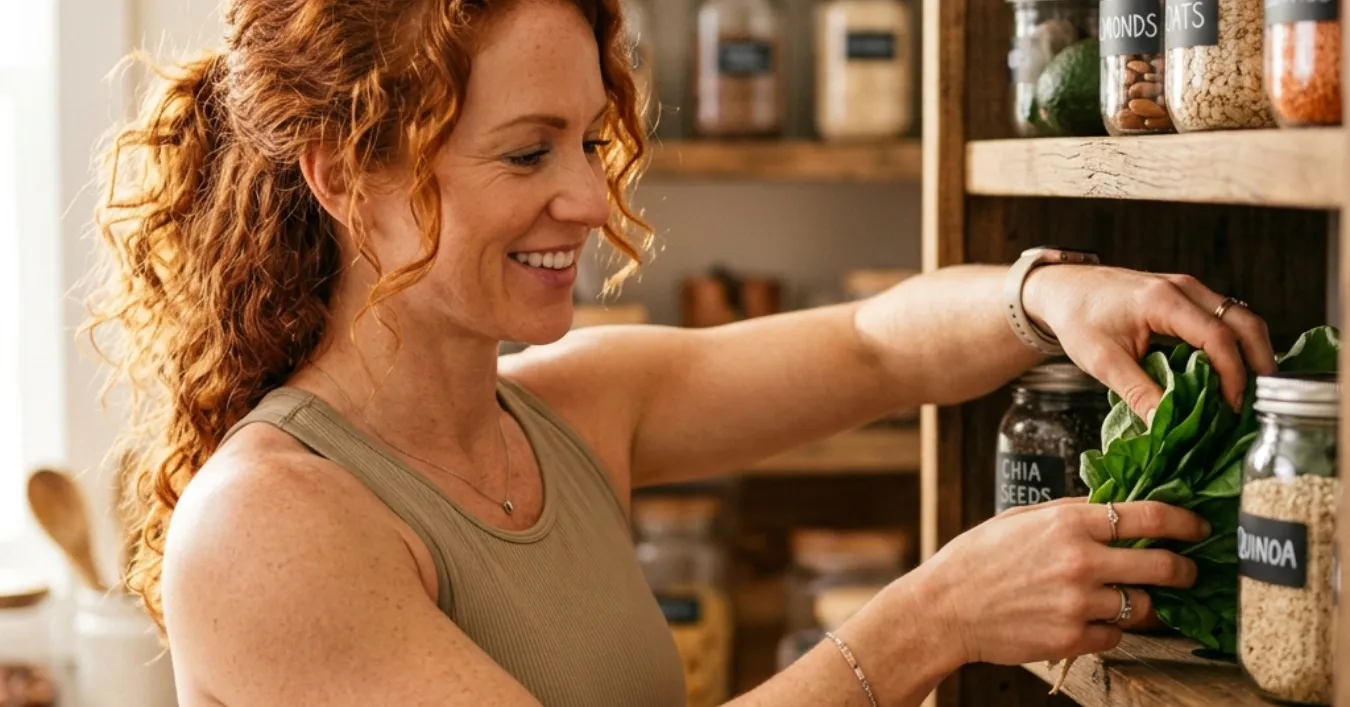
GLP-1 friendly meals don’t have to be complicated — they just have to be strategic. If you’ve heard of a capsule wardrobe, the idea is simple: a small collection of versatile, high-quality pieces that work together to create endless combinations. The capsule kitchen applies that same philosophy to food. Stock your kitchen with the right ten ingredients, and building nourishing, satisfying, results-driven meals becomes almost effortless.
If you’re currently on a personalized GLP-1 program or exploring your options, this guide will show you exactly what to keep in your kitchen — and why each ingredient earns its place on your shelf.
What Is a Capsule Kitchen and Why It Matters on GLP-1
GLP-1 therapy naturally reduces appetite and slows gastric emptying, which means the foods you do eat carry more weight than ever before. With a smaller appetite window, every meal needs to deliver maximum nutrition — sufficient protein to preserve muscle, adequate fiber to support digestion, and quality micronutrients to fill gaps from reduced overall food intake.
A capsule kitchen strips away the decision fatigue of “what do I eat?” and replaces it with a reliable framework. Instead of staring into an empty fridge when hunger finally does strike, you have everything you need to build a satisfying, GLP-1 friendly meal in minutes.
According to a joint advisory published on NCBI/PMC by the American College of Lifestyle Medicine and the Obesity Society, individuals on GLP-1 therapy should prioritize nutrient-dense, minimally processed foods — including fruits, vegetables, whole grains, legumes, lean proteins, nuts, and seeds — to ensure nutritional adequacy within a significantly reduced-calorie diet. Your capsule kitchen is built around exactly these principles.
The Science Behind GLP-1 Friendly Meals
Before diving into the ingredient list, it’s worth understanding why nutrition is so critical on a GLP-1 program — and why the right foods amplify your results.
GLP-1 therapy reduces total food intake, which creates a meaningful risk of nutrient deficiency if the foods you do eat aren’t carefully chosen. Additionally, research published on PubMed confirms that up to 40% of total weight lost on GLP-1 receptor agonist therapy can come from fat-free mass, including muscle. The primary dietary strategy to mitigate this is ensuring adequate protein intake — ideally 1.2–2.0 grams per kilogram of body weight per day.
High-protein meals also directly support GLP-1’s mechanism of action. A study published on NCBI/PMC found that high-protein meals produce the highest post-meal GLP-1 and PYY (fullness hormone) levels compared to high-fat or high-carbohydrate meals — meaning protein-rich eating actively supports the hormonal environment GLP-1 therapy creates.
Use the MD Meds Protein Calculator to find your exact daily protein target, then use this capsule kitchen to hit it consistently.
10 Essential Ingredients for Your GLP-1 Capsule Kitchen
1. Eggs
Eggs are the ultimate GLP-1 friendly meal foundation. They’re high in complete protein, rich in B vitamins, and extraordinarily versatile — scrambled, poached, hard-boiled, or baked into dishes. A single large egg contains about 6 grams of protein and essential nutrients including choline, which supports metabolic health.
On days when appetite is low — a common experience on GLP-1 therapy — two or three eggs offer meaningful nutrition in a small, easily digestible package. Keep a dozen in your fridge at all times.
2. Boneless Skinless Chicken Breast or Thighs
Lean poultry is the cornerstone of GLP-1 friendly meals. Chicken breast delivers approximately 26 grams of protein per 3-ounce serving with minimal fat. Thighs add slightly more flavor and healthy fat while remaining a lean, high-protein option.
Batch-cook a week’s worth of chicken on Sunday and use it across salads, grain bowls, soups, and wraps throughout the week. Pair your portions with the MD Meds Protein Calculator to ensure you’re meeting your daily targets even when appetite is reduced.
3. Greek Yogurt (Plain, Full-Fat or Low-Fat)
Plain Greek yogurt offers 15–20 grams of protein per cup, along with probiotics that support gut health — increasingly important on GLP-1 therapy, where gastrointestinal comfort is a priority. It works as a breakfast base, a savory sauce substitute, a smoothie ingredient, and a snack with berries and seeds.
A joint advisory from leading nutrition and obesity organizations, published on PubMed, specifically highlights protein drinks, smoothies with yogurt, and cottage cheese as particularly useful nutrient delivery vehicles for GLP-1 users whose appetite for heavier foods may be reduced.
4. Canned or Dried Legumes (Lentils, Chickpeas, Black Beans)
Legumes are a nutritional powerhouse for anyone building GLP-1 friendly meals. They deliver plant-based protein, slow-digesting complex carbohydrates, and — critically — soluble dietary fiber, which supports bowel regularity, feeds beneficial gut bacteria, and promotes sustained satiety between meals.
Canned versions are ready in minutes. Dried versions are more economical and store for months. Use lentils in soups and stews, chickpeas in salads and roasted as snacks, and black beans in grain bowls and wraps.
5. Frozen Vegetables (Broccoli, Spinach, Edamame, Mixed Greens)
Frozen vegetables are nutritionally equivalent to fresh — and often more convenient. They require no washing, chopping, or worrying about spoilage, which makes them an indispensable capsule kitchen staple.
Broccoli and spinach are fiber-dense and micronutrient-rich. Edamame adds plant-based protein. Mixed greens can be stirred into eggs, soups, sauces, and smoothies with minimal effort. Keeping a well-stocked freezer means a GLP-1 friendly meal is always minutes away.
Use the MD Meds Carbs Calculator to understand how your vegetable and carbohydrate choices fit into your daily nutrition goals.
6. Salmon or Canned Tuna/Sardines
Fatty fish brings a unique nutritional profile to GLP-1 friendly meals — high-quality protein plus omega-3 polyunsaturated fatty acids (EPA and DHA), which research suggests may enhance the metabolic benefits of GLP-1 therapy and actively support lean mass preservation through anti-inflammatory pathways.
Canned tuna and sardines are among the most affordable, shelf-stable protein sources available. A can of tuna delivers 20+ grams of protein and is ready in seconds. Wild-caught salmon, baked or pan-seared, elevates any meal while delivering both protein and essential fats.
7. Quinoa or Brown Rice
Complex, fiber-rich carbohydrates are an essential part of GLP-1 friendly meals — not something to fear. Quinoa is particularly valuable because it is a complete protein, containing all nine essential amino acids, making it an ideal pairing with vegetables for plant-forward meals. Brown rice provides fiber and sustained energy without blood sugar spikes.
Both grains cook in bulk and store well in the refrigerator for three to five days, making them perfect capsule kitchen staples for quick weekday meals.
8. Extra Virgin Olive Oil and Avocado
Healthy fats are essential for nutrient absorption, hormone balance, and satiety — especially when overall food volume is reduced on GLP-1 therapy. Extra virgin olive oil is rich in monounsaturated fats and polyphenols with anti-inflammatory properties. Avocado adds fiber and heart-healthy fat alongside potassium and B vitamins.
Use olive oil for cooking and dressings. Add avocado to eggs, grain bowls, and smoothies for a creamy, nutrient-dense boost that keeps you fuller longer.
9. Nuts and Seeds (Almonds, Chia Seeds, Flaxseed)
A small handful of almonds or a tablespoon of chia or flaxseed adds protein, fiber, and essential fatty acids to any meal or snack. These are capsule kitchen power players because they’re shelf-stable, require zero preparation, and pack meaningful nutrition into tiny quantities.
Chia and flaxseed are particularly valuable for GLP-1 users because they expand in liquid and form a gel-like consistency in the gut, promoting fullness and supporting digestive regularity — a common area of focus during GLP-1 therapy.
10. Bone Broth or Low-Sodium Broth
Hydration and electrolyte balance are important considerations on GLP-1 therapy, and bone broth addresses both while delivering a small but meaningful amount of protein and collagen. It serves as a warm, nourishing base for soups and grains, and on low-appetite days it provides comfort and nutrition with minimal digestive burden.
Low-sodium chicken or vegetable broth works equally well as a cooking liquid for grains, legumes, and sauces — elevating flavor without adding refined ingredients. Both are pantry-stable, inexpensive, and endlessly versatile.
How to Build a GLP-1 Friendly Meal in 5 Minutes
With a stocked capsule kitchen, any meal follows a simple formula: Protein + Fiber-Rich Vegetable + Complex Carb + Healthy Fat.
For example, a quick GLP-1 friendly meal could be grilled chicken over brown rice with steamed broccoli drizzled in olive oil. Or Greek yogurt layered with chia seeds, berries, and a drizzle of almond butter. Or a lentil soup made with bone broth, frozen spinach, and canned tomatoes.
The goal is always the same: maximize nutrition within a smaller appetite window, prioritize protein, and keep fiber intake consistent. For a deeper dive into how your nutrition supports your overall wellness goals, the MD Meds Resources page offers free downloadable guides and eBooks covering GLP-1 therapy and lifestyle optimization in depth.
Foods to Minimize on a GLP-1 Program
Just as important as knowing what to stock is knowing what to limit. The same joint advisory published on NCBI/PMC recommends that individuals on GLP-1 therapy minimize refined carbohydrates such as refined grains, starches, and added sugars, as well as sugar-sweetened beverages, red and processed meats, ultra-processed snack foods, and most fast foods.
These foods offer low nutritional value relative to their calorie load — the exact opposite of what your capsule kitchen is designed to deliver. They can also worsen gastrointestinal discomfort, a common side effect of GLP-1 therapy that the right food choices can meaningfully alleviate.
If you have questions about what to eat, how much, or how your nutrition fits into your personalized program, the MD Meds FAQ page is a great place to start.
Frequently Asked Questions About GLP-1 Nutrition
How much protein do I need on GLP-1 therapy? Research consistently recommends 1.2–2.0 grams of protein per kilogram of body weight per day to help preserve muscle mass during GLP-1-associated weight loss. Use the MD Meds Protein Calculator to get your personalized number.
Do I need to count carbs on a GLP-1 program? Not strictly — but choosing complex, fiber-rich carbohydrates over refined options makes a meaningful difference in energy, digestion, and satiety. The MD Meds Carbs Calculator can help you find a carbohydrate range that supports your goals.
What if my appetite is very low on GLP-1 therapy? Focus on nutrient-dense, easy-to-eat foods from your capsule kitchen — Greek yogurt, smoothies with protein powder, eggs, bone broth-based soups, and small portions of legumes. Protein and fiber should remain priorities even when portions are small.
Should I take supplements on GLP-1 therapy? Micronutrient supplementation may be worth discussing with your healthcare provider, particularly for vitamin D, calcium, B12, and magnesium. Download the free wellness guides on the MD Meds Resources page for more information on supporting your program nutritionally.
Where can I learn more about GLP-1 and wellness? Explore the MD Meds Wellness page for a full picture of the evidence-based approaches that complement GLP-1 therapy — from metabolic health to energy, sleep, and beyond.
Final Thoughts on Capsule Kitchens: Stock Smart, Eat Well, Thrive
GLP-1 friendly meals are not about restriction — they’re about intention. When your kitchen is stocked with the right ten ingredients, you stop making food hard and start making it work for you. Every meal becomes an opportunity to fuel your body, protect your muscle, support your digestion, and amplify what your GLP-1 program is already doing.
The capsule kitchen philosophy is simple: less clutter, more purpose. A handful of versatile, high-quality ingredients that combine in dozens of ways to keep you nourished, satisfied, and moving forward — every single day.
Ready to pair your capsule kitchen with a personalized, science-backed GLP-1 program? Explore your options at MD Meds and take the first step toward a healthier, more energized version of yourself.
This post is for informational and lifestyle inspiration purposes only and is not intended as medical advice. Always consult your healthcare provider before beginning any new health or nutrition program.
Sign up for free Session!
It’s easy and free!
Check Your Eligibility
When appetite drops, nutrition gaps open up fast. The right pantry staples close those gaps — protecting your muscle, supporting your digestion, and making every GLP-1 meal count. Build your kitchen right and start your personalized program here.
Source:
Nutritional priorities to support GLP-1 therapy for obesity: A joint advisory from the American College of Lifestyle Medicine, the American Society for Nutrition, the Obesity Medicine Association, and the Obesity Society
Nutrition support whilst on glucagon-like peptide-1 based therapy. Is it necessary?
High Protein Intake Stimulates Postprandial GLP1 and PYY Release
Nutrition support whilst on glucagon-like peptide-1 based therapy. Is it necessary?
High Protein Intake Stimulates Postprandial GLP1 and PYY Release