
Batch cooking is one of the simplest, most evidence-backed habits available to anyone serious about their nutrition — and for those on a GLP-1 weight loss program, it may be the single most leveraged lifestyle change you can make alongside your treatment. Here is the core idea: instead of deciding what to eat three times a day, seven days a week, …
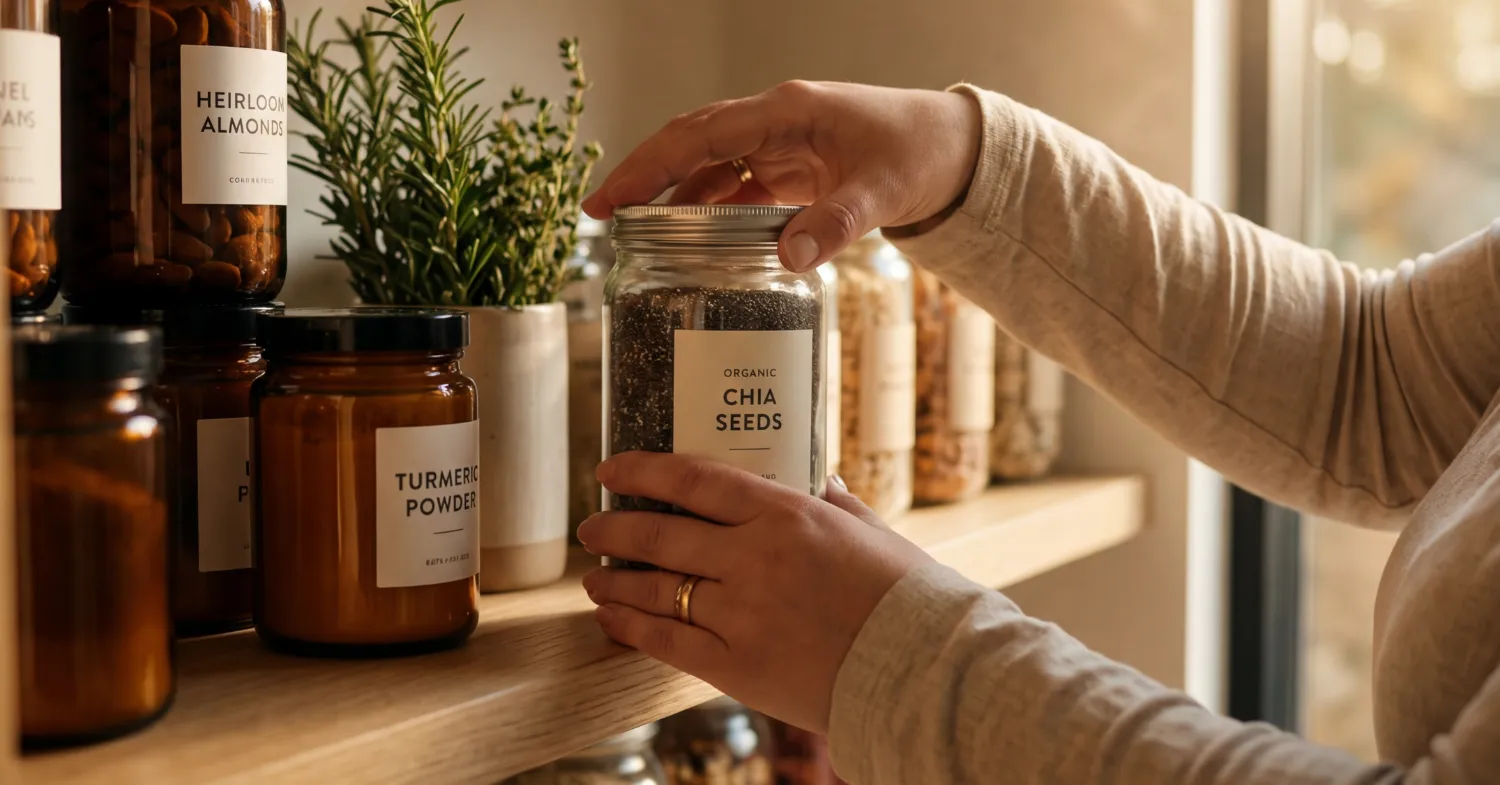
Batch cooking is one of the simplest, most evidence-backed habits available to anyone serious about their nutrition — and for those on a GLP-1 weight loss program, it may be the single most leveraged lifestyle change you can make alongside your treatment.
Here is the core idea: instead of deciding what to eat three times a day, seven days a week, under conditions of hunger, fatigue, and time pressure — you make most of those decisions once, in a calm and intentional kitchen session, and then spend the rest of the week executing rather than planning. One prep day. Multiple days of easy, nourishing, high-protein meals waiting for you whenever appetite shows up.
This guide covers everything you need to start: the science behind why meal planning works, how GLP-1 therapy specifically changes what and how you need to eat, a step-by-step prep day framework, the best foods to batch, and the most common mistakes that undermine an otherwise solid prep strategy.
Why What You Cook Matters as Much as What You Take
GLP-1 therapy is a powerful metabolic tool. It quiets food noise, reduces appetite, slows gastric emptying, and recalibrates hunger hormones in ways that make meaningful weight loss achievable for people who have struggled for years. But there is one thing it does not do: tell you what to eat when you do feel like eating.
And that gap — between reduced appetite and optimized nutrition — is where a lot of GLP-1 journeys stall out. When you are only able to eat a fraction of what you used to, every single bite carries more nutritional responsibility than it ever did before. A small meal of empty carbohydrates or protein-poor foods during a GLP-1 program is not a small mistake — it is a missed opportunity to fuel muscle preservation, metabolic health, and sustained energy at exactly the moment when those things are most important.
Batch cooking closes that gap. It ensures that when hunger does arrive — often briefly and unpredictably on GLP-1 therapy — there is something ready that is worth eating. Not processed, not takeout, not whatever was easiest to grab at the moment of peak fatigue. Something intentional, high-protein, and genuinely nourishing. For additional guidance on building sustainable dietary habits alongside clinical support, the MD Meds Resources page offers free downloadable wellness guides covering nutrition, recovery, and metabolic health.
The Science Behind Meal Planning and Diet Quality
The relationship between planning meals in advance and eating better is one of the most consistent findings in nutritional epidemiology — and the research scale is substantial.
A large cross-sectional study of over 40,000 adults published in the International Journal of Behavioral Nutrition and Physical Activity found that meal planning was associated with significantly better adherence to nutritional guidelines, higher food variety, and lower odds of being overweight or obese in both men and women. The mechanism is straightforward: when decisions about what to eat are made in advance — outside the context of hunger, fatigue, or convenience pressure — they reliably reflect nutritional priorities rather than impulse.
A study published via PMC specifically identified batch cooking as one of the highest-leverage home food preparation strategies, noting that it allows people to maximize kitchen time by producing multiple meals in approximately the same time it would take to cook just one — while also creating the versatility to repurpose cooked components across different dishes throughout the week.
A separate PMC study confirmed that home-cooked meals — the category that batch cooking systematically increases — were significantly more likely to contain fruits, vegetables, whole grains, and lean proteins than pre-prepared or restaurant meals across all demographic groups studied. And a cooking intervention study published on PubMed found that participants who developed home cooking skills and habits showed measurable improvements in nutrition knowledge, dietary confidence, and body weight — underscoring that cooking behavior is not just logistically helpful but health-transformative in its own right. For more evidence-based resources on building lasting wellness habits, the MD Meds blog covers the full spectrum of lifestyle factors that support long-term results.
How GLP-1 Therapy Changes Your Relationship With Food Prep
For most people before starting GLP-1 therapy, the challenge of eating well was largely motivational — knowing what to eat but struggling to consistently choose it over more convenient or appealing alternatives. GLP-1 therapy changes the problem significantly. The appetite suppression and food noise reduction that make GLP-1 so effective for weight loss also introduce a new set of nutritional challenges that batch cooking is uniquely positioned to solve.
Appetite on GLP-1 therapy can be unpredictable. Some meals will feel easily manageable; others will trigger fullness after just a few bites. Preparing food in the moment — when you may not feel like cooking and may only have a narrow window of actual hunger — dramatically increases the likelihood that you will default to whatever requires the least effort, which is rarely the most nutritious option. Batch cooking removes this friction entirely. The food is already there. The decision is already made.
The nutritional priorities of GLP-1 therapy also make batch cooking particularly strategic. Because GLP-1 reduces overall food volume, protein density becomes the most critical variable in every meal. When you eat less, the proportion of that eating that is protein needs to be higher. It requires intentional preparation. And intentional preparation, done in advance and in bulk, is exactly what batch cooking delivers. Those also exploring NAD+ therapy for cellular energy alongside their GLP-1 program will find that well-prepped, nutrient-dense eating directly supports the kind of sustained energy that NAD+ is designed to optimize.
Batch Cooking Basics: Your Step-by-Step Prep Day Framework
A successful prep day does not require professional culinary skills, a fully stocked pantry, or an entire Sunday afternoon. It requires a plan, a grocery list, and approximately ninety minutes of focused kitchen time. Here is how to structure it.
Step 1: Choose your anchor proteins. Protein is the nutritional priority on a GLP-1 program, so anchor your prep session around two or three high-quality protein sources that will carry you through the week. Chicken breast or thighs, lean ground turkey, eggs, canned or cooked fish, Greek yogurt, and legumes are all excellent batch options — they store well, reheat cleanly, and adapt to multiple flavor profiles across different meals.
Step 2: Pick your complex carbohydrates. Batch cook one or two complex carbohydrate sources that can serve as meal bases throughout the week. Quinoa, brown rice, farro, roasted sweet potato, and lentils all reheat without significant texture degradation and provide the fiber and sustained energy that complement GLP-1’s appetite-regulating effects. Use the MD Meds carbs calculator to estimate the right carbohydrate targets for your specific plan.
Step 3: Roast a full sheet of vegetables. Roasting is the most time-efficient way to produce large quantities of flavorful, nutrient-dense vegetables. Line two sheet pans with seasonal vegetables — zucchini, bell peppers, broccoli, cauliflower, asparagus, cherry tomatoes — toss with olive oil, salt, and pepper, and roast at 425°F for twenty to twenty-five minutes. These become the vegetable base for bowls, stir-fries, egg scrambles, and soups throughout the week.
Step 4: Prepare one grab-and-go protein option. On GLP-1 therapy, there will be days when even assembling a bowl feels like more than you can manage. Having a truly grab-and-go protein option — hard-boiled eggs, portioned Greek yogurt, egg muffins, or a batch of protein balls — means that even on the lowest-appetite, lowest-energy days, you can still meet your protein targets without cooking anything.
Step 5: Portion everything immediately. The difference between batch cooking that works and batch cooking that wastes food is portioning. As soon as each component comes off the heat, portion it into individual serving containers before storing. Pre-portioned meals eliminate the decision of how much to eat at the moment of hunger — which matters especially on GLP-1, when fullness arrives quickly and estimating portion sizes in the moment can lead to eating less than you intended. Use the MD Meds protein calculator to determine the protein targets that should guide your portioning.
The Best Foods to Batch Cook on a GLP-1 Program
Not all foods batch equally well. For those on a GLP-1 program, the ideal batch cooking foods share three qualities: they are high in protein or fiber, they reheat without significant quality loss, and they store safely for four to five days in the refrigerator or longer in the freezer.
Eggs in all batch-friendly forms. A dozen hard-boiled eggs prepared on Sunday morning covers breakfast protein for the entire week with zero daily effort. Chicken, whether baked, poached, or slow-cooked, is the most adaptable batch protein for those on GLP-1. Legumes are outstanding batch candidates for their combination of plant protein, fiber, iron, and digestive support, all of which matter meaningfully during a period of reduced food volume. Soups, stews, and chilis are among the single best batch cooking formats for GLP-1 users specifically.
7 High-Protein Batch Cooking Ideas to Start This Weekend
1. Baked Egg Muffins. Whisk eggs with diced vegetables, lean turkey or chicken sausage, and a small amount of cheese. Pour into a muffin tin and bake at 375°F for twenty-two minutes. Each muffin delivers approximately nine grams of protein. Make a dozen on Sunday, store in the refrigerator, and reheat in forty-five seconds throughout the week. These are the ideal GLP-1 breakfast: small volume, high protein, no daily cooking required.
2. Sheet Pan Chicken and Vegetables. Season chicken thighs or breasts with herbs and olive oil. Arrange alongside chopped broccoli, bell peppers, and zucchini on sheet pans. Roast together at 400°F for thirty-five to forty minutes. The entire prep takes fifteen minutes of active work. Portion into containers with a scoop of quinoa for complete, balanced meals across three to four days.
3. Slow Cooker Turkey Chili. Combine lean ground turkey, canned black beans, canned tomatoes, corn, and seasoning in a slow cooker. Cook on low for six to eight hours. A single batch produces six to eight generous portions with approximately thirty grams of protein each. Freezes beautifully and reheats in two minutes — making it the ideal GLP-1 fallback meal for low-appetite evenings.
4. Lentil and Vegetable Soup. Simmer green or red lentils with diced carrots, celery, onion, garlic, and low-sodium broth. Season with cumin and turmeric. Lentils require no soaking, cook in twenty-five minutes, and deliver a combination of plant protein and soluble fiber that supports blood sugar stability — a priority during GLP-1 treatment. Store in the refrigerator for five days or freeze individual portions.
5. Greek Yogurt Protein Bowls. Portion plain Greek yogurt into individual containers and top with berries, a tablespoon of almond butter, and a drizzle of honey. Each bowl delivers twenty to twenty-four grams of protein in a format that requires zero cooking and is one of the most reliably tolerated breakfast options for GLP-1 users experiencing morning appetite suppression.
6. Baked Salmon Portions. Season salmon fillets with lemon, dill, and olive oil. Bake at 400°F for fifteen minutes. Salmon provides not only high-quality protein but also omega-3 fatty acids that help reduce systemic inflammation — a meaningful benefit during a period of active weight loss. Baked salmon keeps well in the refrigerator for three days and pairs cleanly with prepped grains and roasted vegetables.
7. Quinoa Grain Base. Cook a large batch of quinoa in low-sodium vegetable or chicken broth for added flavor. Quinoa is one of the few plant foods that provides all nine essential amino acids, making it a particularly protein-supportive grain option for those on a GLP-1 program. Use throughout the week as a base for bowls, a side with proteins, or stirred into soups for added substance.
How to Store, Portion, and Reheat Without Losing Nutrition
Good batch cooking habits extend from the prep session into the storage and reheating process. A few principles make a meaningful difference in both food safety and nutritional quality.
Store cooked proteins, grains, and vegetables in separate airtight containers when possible — this allows maximum flexibility in how you combine components throughout the week without committing to a single flavor profile in advance. Label each container with the prep date so you can easily track freshness. Most batch-cooked proteins and grains keep safely for four to five days in the refrigerator; soups and stews keep well for five days and freeze for up to three months.
When reheating, add a small splash of water or broth to prevent proteins from drying out, and cover loosely to allow steam to circulate. Avoid overheating — particularly with eggs and fish, which become rubbery and less palatable at high temperatures, reducing the likelihood that you will actually eat them. On GLP-1 therapy, palatability matters: you are eating less, which means texture and enjoyment carry disproportionate weight in determining whether a meal gets finished or pushed aside. For more personalized guidance on nutrition during your GLP-1 journey, the MD Meds FAQ page addresses common questions about dietary best practices during treatment.
Common Batch Cooking Mistakes to Avoid
Prepping too much variety in a single session is the most common beginner error — and also the one most likely to produce waste, overwhelm, and a refrigerator full of containers you never open because nothing sounds appealing. Start with two proteins, one grain, and one batch of roasted vegetables. Build complexity over time as the habit solidifies.
Skipping portioning is the second most consequential mistake. Storing a large batch of chicken in a single container seems efficient until day three, when you are hungry, tired, and trying to estimate how much to pull out — and end up eating less than you intended or more than was planned. Portion immediately after cooking, every time, without exception.
Neglecting variety across the week is a subtler but real problem on GLP-1 specifically. When appetite is already diminished, eating the same meal repeatedly can further suppress the desire to eat — making it easy to under-consume protein on days when variety fatigue sets in. Planning two or three different flavor profiles to apply to the same batch proteins — an Asian-inspired bowl, a Mediterranean wrap, a simple lemon-herb plate — dramatically improves the eating experience without requiring separate prep sessions.
And finally, under-prioritizing protein in the batch plan undermines the entire purpose of the prep. On a GLP-1 program, protein preservation is the nutritional priority. Every batch cooking session should begin with the protein anchors and build outward — not the other way around. The MD Meds protein calculator is a free tool that helps you identify the daily protein targets that should guide your batch prep quantities.
Frequently Asked Questions About Batch Cooking and GLP-1
How much should I batch cook at once on GLP-1 therapy? Because GLP-1 therapy reduces portion sizes significantly, a standard batch cooking session typically produces more servings than it would for someone not on the medication. Plan for four to five days of meals rather than a full week — this gives you enough flexibility to avoid monotony while keeping food fresh. The MD Meds FAQ page addresses common questions about nutrition and dietary planning during GLP-1 treatment.
What if I have no appetite and don’t want to eat my prepped meals? This is common, particularly in the early weeks of GLP-1 therapy. Having prepped, high-protein grab-and-go options — hard-boiled eggs, Greek yogurt, protein muffins — is specifically designed for this scenario. When appetite is very low, the goal is not to force large meals but to meet protein targets in whatever small, manageable format works. Small portions of prepped foods are far easier to eat than starting a cooking process from scratch when you have no appetite at all.
Can batch cooking help with GLP-1 side effects like nausea? Yes, indirectly. Having pre-portioned, easily digestible foods ready — soups, soft proteins, grain bowls — means that when nausea is present, you can eat something gentle and protein-containing without any cooking effort. Many people find that bland, slow-cooked batch proteins like chicken in broth or lentil soup are among the most tolerable options during early GLP-1 adjustment. For broader support on managing the GLP-1 journey well, the MD Meds wellness page outlines the physician-led programs available.
Does batch cooking work for people with very small appetites? It is actually most beneficial for those with reduced appetites. When you eat infrequently and in small volumes, the nutritional quality of each eating occasion is more important than it has ever been. Batch cooking ensures that each of those occasions is built around high-protein, nutrient-dense choices — which is nearly impossible to guarantee if you are cooking from scratch under conditions of low appetite and low energy. Explore the MD Meds GLP-1 program to see how physician-led support guides every aspect of the treatment experience, including nutritional planning.
Final Thoughts: Cook Once, Win All Week
Batch cooking is not a complicated system or a weekend-consuming ritual. At its core it is a single decision: to invest ninety minutes of intentional effort once, so that the rest of the week unfolds with less friction, less decision fatigue, and better nutrition at every meal.
For anyone on a GLP-1 program — where appetite is reduced, protein targets are elevated, and the quality of every eating occasion matters more than it ever has — that ninety-minute investment has an outsized return. It is the difference between a GLP-1 journey that produces fat loss and one that produces fat loss while preserving the muscle, energy, and metabolic health that make those results last.
Start this weekend. Pick two proteins, one grain, a sheet pan of vegetables, and a grab-and-go option. Spend ninety minutes. See what the rest of the week feels like when everything is already handled.
Ready to pair your nutrition strategy with a personalized GLP-1 program built around your goals? Explore what MD Meds offers and take the next step toward a fully supported wellness journey.
This post is for informational and lifestyle purposes only and is not intended as medical advice. Always consult your healthcare provider regarding dietary recommendations specific to your treatment plan.
Sign up for free Session!
It’s easy and free!
Check Your Eligibility
Daily decisions about what to eat make it impossible to stay consistent with your nutrition goals. Batch cooking once a week allows you to focus on the high-protein, nutrient-dense meals that protect muscle and fuel real results. One prep session is all it takes to turn good intentions into effortless follow-through. Explore our personalized GLP-1 protocols here.
Source:
Meal planning is associated with food variety, diet quality and body weight status in a large sample of French adults
Home Meal Preparation: A Powerful Medical Intervention
Compared to pre-prepared meals, fully and partly home-cooked meals in diverse families with young children are more likely to include nutritious ingredients
Home Meal Preparation: A Powerful Medical Intervention
Compared to pre-prepared meals, fully and partly home-cooked meals in diverse families with young children are more likely to include nutritious ingredients