Something remarkable happens when a person begins a GLP-1 program: portions that once felt modest become genuinely filling. A dinner plate that used to disappear in minutes now produces leftovers. A meal prepared for one becomes two. And what might initially feel like an inconvenience quickly reveals itself as one of the most practical and nutritionally valuable features of the entire …
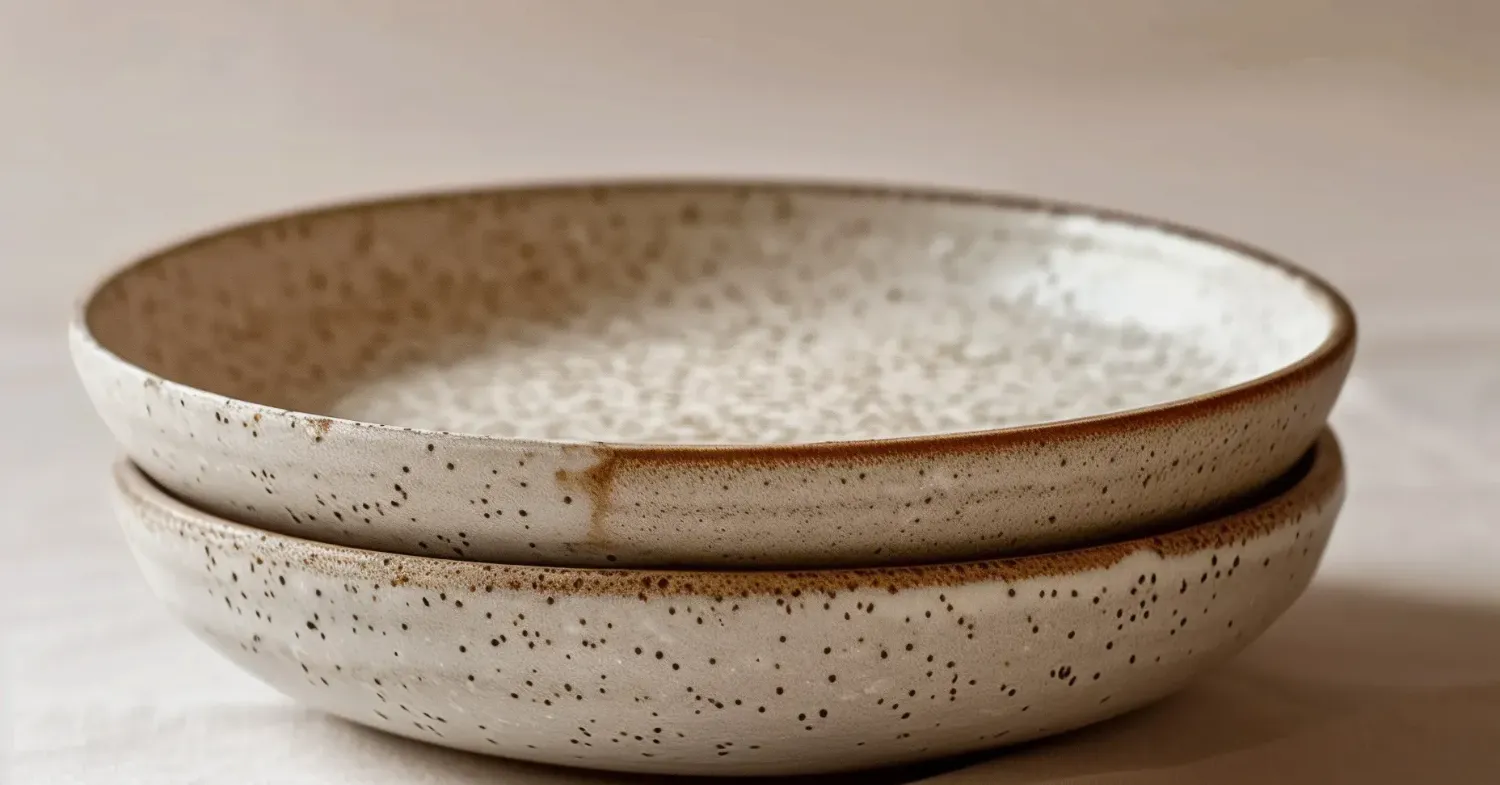
Something remarkable happens when a person begins a GLP-1 program: portions that once felt modest become genuinely filling. A dinner plate that used to disappear in minutes now produces leftovers. A meal prepared for one becomes two. And what might initially feel like an inconvenience quickly reveals itself as one of the most practical and nutritionally valuable features of the entire journey.
Small portions and the leftovers they generate are not a complication of GLP-1 therapy — they are an invitation. An invitation to cook smarter, eat more intentionally, waste less, and discover a kind of creative kitchen freedom that rigid diets and large-batch meal prep rarely allow. The leftover makeover is the practice of transforming those small portions into something fresh, nourishing, and completely different from what came before — and it is one of the most enjoyable habits a person can build to support a sustainable wellness lifestyle.
This guide covers the science behind why this matters, the specific strategies that work best on a GLP-1 program, and a practical toolkit of transformations that will turn your refrigerator’s small portions into a rotating cast of satisfying, nutrient-dense meals.
Why Smaller Portions Are a Feature, Not a Problem
One of the most consistent reports from people beginning GLP-1 therapy is a sense of surprise at how little it takes to feel satisfied. The medication recalibrates the signals the brain receives from the gut — slowing gastric emptying, amplifying satiety hormones, and reducing the intensity of appetite and food preoccupation in ways that make smaller portions feel genuinely complete rather than like a deliberate restriction.
This shift is biologically real, not motivationally manufactured. And it changes the entire practical landscape of home cooking. Recipes designed for four servings suddenly yield six. A rotisserie chicken that used to disappear in a single dinner now provides the base for three more meals. Grains cooked for a side dish become the foundation for tomorrow’s bowl. Rather than chasing large volumes of food to feel satisfied, the kitchen becomes a place of intelligent transformation — where every small portion that remains is a nutritional resource waiting to be reimagined.
Nutritionally, this approach is exceptionally well aligned with the needs of someone on a GLP-1 weight loss program. The most important dietary priority during GLP-1 treatment is protein intake — because the rapid weight loss produced by the therapy can include muscle loss alongside fat loss if protein targets are not consistently met. Small, frequent, protein-first meals that repurpose quality ingredients from previous cooking are among the most effective ways to hit those protein targets without requiring large volumes of food or elaborate new cooking sessions. For deeper guidance on how nutrition and clinical treatment intersect throughout a GLP-1 journey, the MD Meds FAQ page offers clear, clinically informed answers.
The Surprising Science Behind Meal Planning and Weight Loss
Transforming leftovers is, at its core, a form of meal planning — and the research on meal planning’s relationship with weight and dietary quality is more compelling than most people realize.
A landmark study of over 40,000 adults published in PMC found that individuals who regularly planned their meals ahead were significantly more likely to have better dietary quality, greater adherence to nutritional guidelines, and increased food variety — and were associated with lower odds of obesity in both men and women. The study identified meal planning not as a rigid calorie-counting exercise but as a flexible cognitive habit that supports consistently better food decisions across a week.
A separate study published in PMC examining a worksite-based behavioral weight loss program found that greater average meal planning frequency directly predicted greater weight loss outcomes — and that the habit was most powerful when established early and maintained consistently as a long-term behavioral skill rather than a short-term strategy. The researchers specifically framed meal planning as a sustainable habit to develop and carry forward beyond any formal program period.
Repurposing leftovers is one of the most friction-free entry points into this habit. It requires no additional shopping, no significant extra cooking time, and no rigid meal schedule — just the intention to look at what remains in the refrigerator and ask what it might become next. That single habit, practiced consistently, produces the kind of regular structured eating that the research links to better dietary outcomes. For a broader view of how consistent eating patterns and lifestyle habits support clinical results, the MD Meds Resources page offers evidence-based guides across every dimension of sustainable wellness.
How GLP-1 Therapy Changes Your Relationship With Leftovers
People who have tried conventional dieting before beginning GLP-1 therapy frequently describe the leftover experience very differently between the two contexts. In traditional dieting, leftover food often carries a fraught emotional quality — the remainder of something that required willpower to stop eating, or the evidence of a meal that felt insufficient. On GLP-1 therapy, leftovers arrive naturally, without effort, as simply what remains after genuine satiety.
This psychological shift matters practically. When leftovers are the natural result of a satisfied appetite rather than the product of effortful restraint, the experience of working with them in the kitchen is fundamentally different. There is no resentment, no deprivation narrative — just a practical question: what can I make with this that I’ll genuinely enjoy tomorrow?
GLP-1 therapy also creates a specific set of nutritional priorities that the leftover makeover approach addresses particularly well. Because smaller total food volume means each meal must work harder nutritionally, repurposing quality proteins and vegetables from previous cooking — rather than reaching for processed convenience foods when hunger arrives — ensures that every eating occasion contributes meaningfully to the protein, fiber, and micronutrient targets that protect muscle mass, support metabolic health, and maximize the clinical benefits of the GLP-1 program.
Many people on GLP-1 programs also find that their appetite shifts from day to day during the early months of treatment, making rigid weekly meal plans feel cumbersome. The leftover makeover approach is uniquely compatible with this variability — it works with whatever was prepared and partially consumed, adapting to the current moment rather than requiring adherence to a schedule set days earlier. For more on what to expect nutritionally at each phase of GLP-1 treatment, the MD Meds wellness page provides comprehensive support resources.
The Leftover Makeover Pantry: What to Always Have on Hand
The leftover makeover works best when a small set of flavor-building, texture-adding pantry staples are consistently available to transform whatever proteins, vegetables, and grains remain from previous meals. These are not elaborate specialty ingredients — they are the quiet workhorses of creative cooking.
Acids: Lemon juice, lime juice, and a good vinegar (apple cider, red wine, or balsamic) instantly refresh and brighten leftover proteins and vegetables that have dulled in the refrigerator. A squeeze of lemon over leftover roasted chicken makes it taste cooked today rather than yesterday.
Healthy fats: Olive oil, tahini, and avocado add richness and satiety to small portions that might otherwise feel incomplete. A drizzle of tahini over repurposed grain bowls transforms them from sparse to satisfying.
Aromatics: Garlic (fresh or powder), ginger, and onion are the foundation of most global flavor profiles and can make any combination of leftovers taste intentional rather than improvised.
Eggs: A single egg or two is one of the most versatile and protein-dense additions available in the leftover kitchen. It can bind a frittata, top a grain bowl, or become a simple fried rice base — adding meaningful protein to whatever small portions it accompanies. For those on a GLP-1 program where hitting protein targets in smaller food volumes is essential, eggs are an invaluable pantry anchor.
Canned staples: Beans, lentils, and quality canned fish (tuna, salmon, sardines) can be added to almost any leftover combination to meaningfully increase protein and fiber without additional cooking. They transform a half-portion of roasted vegetables into a complete, nourishing meal within minutes.
Broth: Low-sodium chicken, vegetable, or bone broth turns small portions of almost anything — leftover protein, vegetables, grains — into a warming, nourishing soup or stew that feels like a completely new meal. The MD Meds blog covers the full landscape of nutrient-dense eating habits that support GLP-1 outcomes over time.
8 Brilliant Ways to Transform Small Portions Into New Meals
1. The Power Bowl Build
The most versatile and endlessly repeatable leftover transformation is the power bowl — a layered arrangement of whatever protein, grain, and vegetable remains from previous meals, brought together with a simple sauce or dressing into something that looks and tastes entirely intentional. Start with a base of leftover grains (rice, quinoa, farro), add whatever protein is available, pile on vegetables roasted or raw, and finish with an acid-forward dressing or sauce. The formula is: grain + protein + vegetable + sauce = complete, nourishing meal. For those on a GLP-1 program eating smaller portions, this approach maximizes nutrient density in a modest volume and makes hitting protein targets straightforward.
2. The Frittata or Egg Scramble
Any combination of leftover protein and vegetables can be incorporated into eggs to create a satisfying and protein-rich meal that works at any time of day. A handful of leftover roasted vegetables and a few tablespoons of leftover chicken or salmon, combined with two to three eggs, produces a frittata that bears no resemblance to its component parts. The egg transformation is particularly valuable on a GLP-1 program because it produces a high-protein, moderate-volume meal from small quantities of ingredients — exactly the profile that supports muscle preservation during weight loss.
3. The Quick Broth Soup
Nothing transforms small leftover portions more completely than a broth-based soup. A cup of cooked grains, a few ounces of leftover protein, and whatever vegetables remain — simmered in quality broth with aromatics and finished with a squeeze of lemon — become a warming, genuinely satisfying meal in under fifteen minutes. The liquid volume of soup also makes small food portions feel more substantial, which is a practical advantage when appetite suppression means the body needs nourishment but large food volumes feel uncomfortable. For those using NAD+ therapy alongside a GLP-1 program to support cellular energy, a nourishing broth-based soup is one of the most micronutrient-dense and easily digestible meals available.
4. The Lettuce Wrap or Grain-Free Taco
A few ounces of leftover protein — chicken, ground meat, fish, beans — wrapped in large lettuce leaves with whatever crunchy or fresh additions are available creates a meal that is visually satisfying, texturally varied, and naturally portion-controlled. The lettuce wrap format is particularly well suited to GLP-1 programs because it eliminates the heavier carbohydrate base of traditional wraps and focuses the meal’s caloric contribution on the protein and vegetable components that matter most for satiety and muscle maintenance.
5. The Fried Rice or Grain Skillet
Day-old cooked rice or grains — which are actually culinarily superior to freshly cooked for this purpose, as their lower moisture content produces better texture — make an ideal base for a quick skillet meal. A beaten egg, whatever protein and vegetables remain, aromatics, and a splash of low-sodium soy sauce or tamari produces a genuinely satisfying meal in ten minutes. The skillet format is one of the most forgiving in the leftover kitchen — almost any combination of ingredients works, and the final result consistently tastes better than the sum of its parts.
6. The Stuffed Vegetable
Bell peppers, zucchini, tomatoes, and mushrooms can all be hollowed out and filled with a mixture of leftover grains, protein, and aromatics, then briefly baked or broiled. This transforms what might feel like a sparse collection of small portions into a visually appealing, complete meal with built-in portion control. The baking process also reheats the leftover filling in a way that improves its texture and integrates its flavors more fully than simple reheating would achieve.
7. The Upgraded Salad
A large salad becomes an entirely different culinary experience when topped with a small portion of warm leftover protein — grilled chicken, salmon, roasted chickpeas, or a soft-boiled egg. The contrast of warm protein over cool greens with an acid-forward dressing is nutritionally complete, visually compelling, and takes less than five minutes to assemble. This is one of the most practical leftover transformations for midday meals on a GLP-1 program, where the goal is maximum nutrient density in a comfortable, moderate-sized eating experience.
8. The Sauce-Forward Pasta or Grain Dish
A small amount of leftover protein can be combined with aromatics, canned tomatoes or a simple broth-based sauce, and tossed with a small portion of pasta or served over grains to create a meal that requires no new protein preparation. The sauce carries the meal and transforms individual leftover elements into something unified and satisfying. For those on GLP-1 programs who prefer smaller carbohydrate portions, this format works equally well with legume-based pastas or cauliflower rice as the base, maintaining protein density while keeping the meal light and digestible. The MD Meds Resources page offers additional guidance on building nutrient-balanced eating patterns that work with GLP-1 therapy throughout every phase of treatment.
Protein-First Leftover Transformations — The Most Important Skill
Of all the nutritional considerations relevant to leftover cooking on a GLP-1 program, protein is by far the most important. The appetite suppression produced by GLP-1 therapy reduces total food intake, and without deliberate attention to protein, this reduced intake can result in insufficient protein — which accelerates muscle loss, undermines metabolic health, and diminishes the energy and physical capacity needed to build healthy habits alongside clinical treatment.
The protein-first approach to leftover transformation means that whatever protein element exists in the refrigerator — whether it is leftover chicken, a few tablespoons of Greek yogurt, a couple of ounces of canned tuna, or a handful of cooked lentils — becomes the anchor of the new meal rather than an afterthought. Every leftover transformation begins with identifying the protein and building outward from there, rather than starting with the grain or the vegetable and adding whatever protein happens to remain.
Practically, this means keeping a mental hierarchy of leftover protein that should be used first — cooked meats within three to four days, cooked beans within five days, cooked eggs within a week — and building each day’s leftover transformation around whichever protein is most time-sensitive. This simple priority system ensures that the most nutritionally important component of each meal is never accidentally sacrificed to food waste. For personalized guidance on protein targets and how to meet them consistently on a reduced-appetite eating pattern, the MD Meds FAQ page offers clear, clinically grounded answers.
How to Build a Leftover-Smart Weekly Routine
The leftover makeover is most powerful when it is woven into a broader weekly cooking rhythm rather than practiced reactively whenever something happens to remain. A small amount of intentional planning — not a rigid meal schedule, but a flexible awareness of what will be cooked and how it might be repurposed — transforms the approach from occasional to systemic.
Cook once with two meals in mind. The most useful shift in home cooking strategy is simply to cook proteins and grains in quantities that will naturally produce leftovers — not as a mass-batch-prep exercise, but as a deliberate doubling of whatever is being made tonight. Roasting two chicken thighs instead of one. Cooking a full cup of quinoa instead of half. This requires no additional cooking time and produces a ready-made ingredient for tomorrow’s leftover transformation with zero extra effort.
Designate a weekly “use-it-up” meal. One evening per week — typically mid-week, when refrigerator accumulation is at its peak — becomes the deliberate leftover makeover night. Rather than planning a new recipe for this evening, the meal is assembled entirely from whatever remains. This single habit has a remarkable effect on food waste reduction, grocery costs, and the development of creative kitchen intuition over time. Research published in PMC found that consistent meal planning behaviors — of which this kind of weekly use-it-up structure is a practical example — were associated with better dietary variety and lower obesity risk, even when the planning was flexible and non-prescriptive.
Store leftovers visibly and accessibly. The single most common reason leftovers go to waste is that they disappear behind other items in the refrigerator and are forgotten. Storing leftover proteins and grains in clear containers at eye level — rather than opaque containers stacked at the back — ensures they are visible and consistently considered when assembling the next meal. A small “use first” section of the refrigerator, where time-sensitive items are always placed, builds this habit with minimal cognitive overhead.
Let your GLP-1 program guide your portions. As GLP-1 therapy progresses, appetite patterns typically stabilize and become more predictable — making it progressively easier to calibrate cooking quantities to what will actually be consumed and what will reliably remain for repurposing. Early in treatment, appetite can be variable enough that cooking modest quantities and supplementing with pantry staples is the most practical approach. As the journey continues and the eating pattern settles, the leftover makeover system becomes increasingly effortless and second nature. The MD Meds About Us page explains the physician-led, individualized approach that supports this kind of evolving, whole-life adaptation throughout every phase of a GLP-1 program.
Reducing Food Waste — Why It Matters for Your Wellness
The leftover makeover is not only a nutritional and practical strategy — it is also a meaningful act of alignment between personal wellness and broader values around food. Food waste is a significant and well-documented problem: globally, roughly one-third of all food produced goes uneaten, and perishable, nutritionally valuable foods — fruits, vegetables, and proteins — are among the most commonly wasted categories.
A scoping review published in PMC examining food waste and nutrition quality confirmed that interventions to reduce food waste can successfully address both food sustainability and nutrition quality simultaneously — meaning that using leftovers more creatively does not require any trade-off between environmental benefit and personal nutritional value. The foods rescued from waste are, overwhelmingly, the most nutritionally valuable ones.
Research published in ScienceDirect found that individuals focused on nutrition-conscious eating tended to develop better food planning and cooking skills, which helped them manage portions and reduce waste more effectively than those motivated by broader sustainability concerns alone. In other words, the act of eating well and the act of wasting less reinforce each other. Approaching food with the intention and skill to use it completely is both a wellness practice and a household practice that quietly compounds over months into meaningful financial savings and a more intentional relationship with the kitchen.
Common Leftover Mistakes to Avoid
Reheating everything the same way produces the same mediocre result every time. The microwave is convenient but not always optimal — and the assumption that all leftovers should simply be reheated as-is misses the entire point of the leftover makeover. The most important question is not “how do I reheat this?” but “what can this become?” A brief few minutes in a hot skillet, the addition of a fresh acid or herb, or a new contextual element — a fresh egg, a different grain base, a broth transformation — changes the experience completely.
Letting protein accumulate without a plan is the most expensive and nutritionally costly leftover mistake available. Leftover protein stored with vague intentions of “using it somehow” is leftover protein headed toward the trash, along with the muscle-preservation benefit it represented. Addressing the most time-sensitive protein component first — in the next meal after it is cooked — makes the protein-first approach automatic rather than aspirational.
Expecting leftovers to taste identical to the original meal sets the wrong standard. The goal of the leftover makeover is not faithful reproduction of yesterday’s dinner — it is transformation into something that stands on its own merits. The frittata should taste like a frittata, not like reheated chicken and vegetables. The grain bowl should taste assembled and intentional, not incidental. This reframe turns leftover cooking from a compromise into a creative opportunity — which is exactly what it is. For further inspiration on building a nourishing relationship with food that supports your GLP-1 program, the MD Meds wellness page offers comprehensive resources for every phase of the journey.
Frequently Asked Questions About Leftovers and GLP-1
How long are leftovers safely usable? Cooked proteins — chicken, fish, meat, eggs — are generally safe for three to four days when properly stored in airtight containers in the refrigerator. Cooked grains and legumes last four to five days. Cooked vegetables are typically best within three to four days. These windows are generous enough to support a full leftover makeover cycle within a normal week of cooking. If a protein or vegetable is not going to be used within its window, freezing it immediately extends its usable life significantly.
How do I hit my protein targets on GLP-1 when my appetite is small? The protein-first approach to leftover cooking is one of the most practical solutions to this challenge. By anchoring every leftover transformation around the highest-protein ingredient available — and supplementing with eggs, canned fish, beans, or Greek yogurt as needed — it is possible to meet protein targets within genuinely small food volumes. For personalized protein guidance specific to your body and program phase, the MD Meds FAQ page and GLP-1 program page are the best starting points.
Are there any leftovers that don’t work well for repurposing? Highly dressed salads, soups that have already absorbed their broth, and delicate fish that has already been cooked to well-done are the most challenging leftovers to transform effectively. The most versatile leftovers are proteins cooked with minimal sauce or dressing (which can be added fresh during transformation), plain or lightly seasoned grains, and roasted or steamed vegetables. If a component seems difficult to repurpose on its own, it can almost always be integrated into a frittata or blended into a broth-based soup.
Does the leftover makeover approach work for people cooking for families, not just themselves? Absolutely — and in some ways it works better at larger household scales, because more cooking produces more leftover variety to work with. The key adaptation for family cooking is simply ensuring that the leftover components are stored separately from any dressings or sauces (which can be added fresh when repurposing) and that at least one meal per week deliberately draws on refrigerator inventory rather than a new recipe. Family members who see leftovers creatively transformed into something genuinely different and delicious are far more receptive to the practice than those who expect yesterday’s dinner warmed over.
Where can I learn more about building nourishing eating habits alongside GLP-1 therapy? The MD Meds GLP-1 page is the best starting point for understanding how personalized GLP-1 therapy works and what nutrition habits most effectively amplify results. The Resources page offers free downloadable guides covering sustainable eating practices, and the About Us page explains the physician-led approach that underpins every MD Meds program.
Final Thoughts: Small Portions, Big Possibilities
The smaller appetite that accompanies GLP-1 therapy is one of the therapy’s most clinically significant benefits — and the leftovers it produces are not a byproduct to manage but a resource to embrace. Every small portion that remains after a genuinely satisfying meal represents an ingredient already prepared, already paid for, and already waiting to become something nourishing and new.
The leftover makeover habit is how those ingredients become meals worth looking forward to. It is also how the meal planning behaviors linked to better dietary quality, greater food variety, and sustainable weight outcomes get practiced daily without the rigidity or effort that formal meal prep often demands. A frittata built from last night’s vegetables. A broth soup assembled from this week’s protein scraps. A power bowl that bears no resemblance to the dinner that produced its components.
Small portions, treated with intention and a little culinary creativity, have very big possibilities. For anyone on a personalized GLP-1 program, the kitchen is one of the most important places that the therapy’s benefits get built into lasting lifestyle — one brilliant leftover makeover at a time.
Ready to combine creative, nourishing eating habits with physician-led clinical support designed to make every meal work harder for your health? Explore MD Meds and take the next step toward a wellness journey that works with your appetite — not against it.
This post is for informational and lifestyle purposes only and is not intended as medical advice or a specific dietary prescription. Always consult your healthcare provider or a registered dietitian for personalized nutrition guidance, particularly if you are currently undergoing clinical treatment.
Sign up for free Session!
It’s easy and free!
Check Your Eligibility
Smaller portions on GLP-1 therapy mean every bite needs to count — and every leftover is an opportunity to make it count twice. The brilliance of the leftover makeover is that it turns the natural result of a satisfied appetite into tomorrow’s nourishing, protein-rich meal without additional shopping, elaborate cooking, or wasted food. That kind of intelligent, intuitive eating is exactly what a personalized GLP-1 program makes possible. Explore our physician-led GLP-1 protocols here.
Source:
Meal planning is associated with food variety, diet quality and body weight status in a large sample of French adults
Greater Average Meal Planning Frequency Predicts Greater Weight Loss Outcomes in a Worksite-Based Behavioral Weight Loss Program
Food Waste and Nutrition Quality in the Context of Public Health: A Scoping Review
Greater Average Meal Planning Frequency Predicts Greater Weight Loss Outcomes in a Worksite-Based Behavioral Weight Loss Program
Food Waste and Nutrition Quality in the Context of Public Health: A Scoping Review