
One of the most underestimated challenges of a GLP-1 program is not managing hunger — the therapy handles that. The real challenge is making sure that the smaller number of calories you now want to eat are doing an outsized amount of nutritional work. Nowhere is this challenge more acute than at lunchtime, when most people are at work, away from …
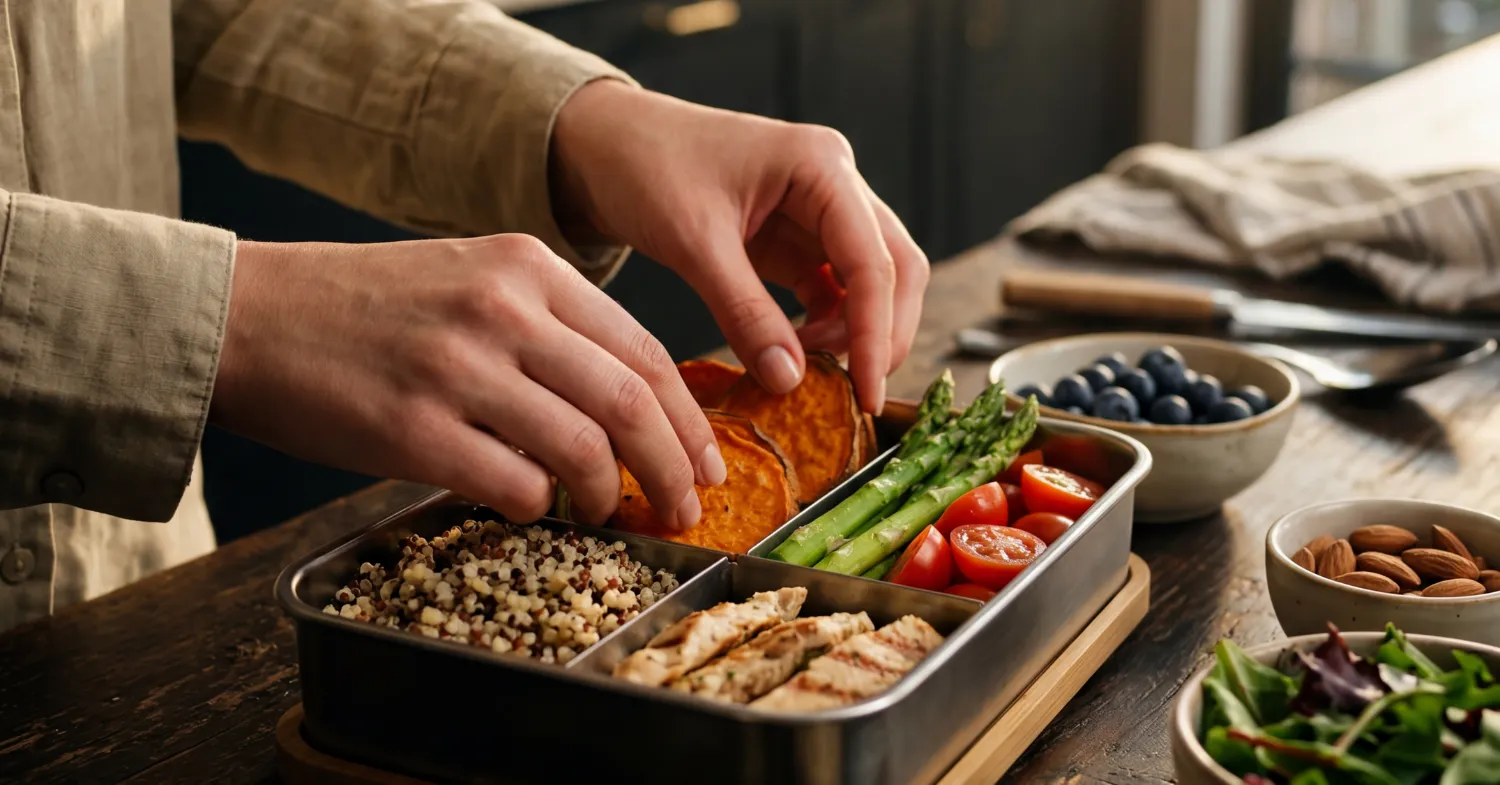
One of the most underestimated challenges of a GLP-1 program is not managing hunger — the therapy handles that. The real challenge is making sure that the smaller number of calories you now want to eat are doing an outsized amount of nutritional work. Nowhere is this challenge more acute than at lunchtime, when most people are at work, away from their kitchen, short on time, and relying on whatever they happened to pack that morning.
A well-designed lunch box for a GLP-1 user is not simply a smaller version of whatever anyone else is eating. It is a strategically built meal that maximizes protein, delivers meaningful fiber, supports blood sugar stability, and remains easy to eat without triggering the gastrointestinal discomfort that can accompany larger or heavier meals. Done well, it is also genuinely delicious — because a lunch you look forward to is a lunch that gets eaten, and getting adequate nutrition consistently is the foundation everything else builds on.
This guide gives you the science behind what your body needs at lunch on a GLP-1 program, ten practical and work-friendly ideas, and the framework to build your own brilliant lunch box from whatever is in your kitchen.
Why Lunch Is the Most Important Meal of the Day on a GLP-1 Program
Midday nutrition matters in every wellness context, but it carries particular strategic weight for people on GLP-1 therapy. Here is why.
GLP-1 medications significantly reduce total caloric intake but they do not proportionally reduce the body’s need for protein, fiber, vitamins, and minerals. A cross-sectional study published in Frontiers in Nutrition examining actual nutrient intake in GLP-1 users found that participants were falling significantly short of daily requirements for fiber, calcium, iron, magnesium, potassium, and multiple vitamins. In other words, people on GLP-1 programs are eating less but not eating smarter, and the gap shows up most visibly in the meals they skip, shrink, or replace with convenience options during the workday.
Lunch is also physiologically significant because of how GLP-1 therapy interacts with digestion. Since GLP-1 medications slow gastric emptying, the composition of each meal has an amplified effect on how a person feels for the hours that follow. A well-balanced midday meal — moderate in portion, high in protein, containing quality fiber, and low in saturated fat — supports afternoon energy, blood sugar stability, and the comfortable digestion that keeps people engaged at work. A heavy, high-fat, or high-sugar lunch can produce hours of discomfort and fatigue that a person without GLP-1 therapy might not experience to the same degree.
Getting lunch right is one of the most practical and high-impact habits available to anyone on a GLP-1 weight loss program. The MD Meds Resources page offers free guides covering the full scope of nutrition habits that compound alongside clinical treatment.
The Science Behind GLP-1 Nutrition: What Your Body Actually Needs
Before building the perfect lunch box, it helps to understand exactly what nutritional targets matter most — and why.
Protein is the non-negotiable priority. Research published in PMC found that lean soft tissue loss comprised 26 to 40 percent of total weight lost in major clinical trials. A joint advisory from leading US nutrition and obesity medicine organizations published in the American Journal of Clinical Nutrition recommends that people on GLP-1 therapy prioritize lean, complete-protein sources at every eating occasion to protect muscle mass, preserve metabolic rate, and support the full range of physical functions that muscle enables. Most clinical guidance suggests targeting 25 to 35 grams of protein per meal distributed evenly across the day.
Fiber supports digestion, blood sugar, and satiety. Women on GLP-1 programs should aim for at least 25 grams of daily fiber, and men for approximately 35 grams — targets that most GLP-1 users are currently not meeting, according to the Frontiers in Nutrition cross-sectional study cited above. At lunch, the best fiber sources are those that are easily digestible and unlikely to worsen any existing gastrointestinal sensitivity: cooked vegetables, legumes, whole grains, and fruit, rather than raw cruciferous vegetables or high-fiber seeds in large quantities, particularly in the early weeks of treatment.
Small portions, maximum nutrition density. Research published in PMC on dietary recommendations for GLP-1 users emphasizes that smaller, more frequent meals are significantly better tolerated than larger ones — and that each eating occasion should deliver the highest possible nutritional value per bite. This is the guiding principle behind every lunch box idea in this guide: not less food, but better food, in a portion size the body is ready to receive and use. For a comprehensive overview of the lifestyle habits that make clinical treatment most effective, the MD Meds blog covers evidence-based nutrition, movement, and mindset strategies across every phase of the wellness journey.
The Golden Rules of GLP-1 Lunch Packing
Before diving into specific ideas, four principles should guide every lunch box a GLP-1 user assembles.
Rule 1: Protein first, always. Build the lunch around the protein source and fill in everything else around it. This ensures that even if appetite is limited and only part of the meal gets eaten, the most critical nutritional priority has been met.
Rule 2: Keep portions moderate, not minimal. GLP-1 therapy reduces appetite but it does not eliminate the need for adequate calories and nutrients. A lunch that is too small creates the same nutritional deficit problem as skipping the meal entirely. Aim for a satisfying portion — not a full pre-GLP-1 plate, but enough to meet protein targets and provide real energy for the afternoon.
Rule 3: Choose foods that are easy to digest. Avoid very high-fat foods, very spicy foods, and large quantities of raw high-fiber vegetables at lunch, particularly in the early phases of GLP-1 treatment. These are not permanent restrictions — they are practical considerations while the body adjusts to slower gastric emptying.
Rule 4: Hydrate alongside, not during. Drinking large quantities of water immediately before or during a meal can increase feelings of fullness too quickly and displace the food needed for adequate nutrition. Keep a water bottle nearby and sip throughout the afternoon — but allow the meal itself to be the main event.
10 Brilliant Lunch Box Ideas for GLP-1 Users
1. The Classic Protein Bento Box
The bento format is ideal for GLP-1 users because it naturally portions multiple small, distinct foods into one container. A well-built protein bento might include 3 to 4 ounces of sliced grilled chicken or turkey, a small portion of cottage cheese or part-skim string cheese, half a cup of cherry tomatoes, a handful of baby carrots or cucumber slices, and a few whole grain crackers. This combination delivers approximately 30 grams of protein, meaningful fiber, and a range of micronutrients in a format that travels well, requires no reheating, and takes less than ten minutes to assemble the night before.
2. Greek Yogurt Protein Bowl
Plain Greek yogurt is one of the most nutritionally efficient foods available for GLP-1 users. Layered with a small portion of mixed berries (for fiber and antioxidants), a tablespoon of chia seeds or ground flaxseed (for additional fiber and omega-3s), and a light drizzle of honey if desired, a Greek yogurt bowl makes a complete and satisfying lunch that takes minutes to prepare and travels easily in a sealed container. Pack the toppings separately and add them at lunchtime to keep the yogurt fresh. This is also an excellent option on days when nausea is present, as its smooth texture and mild flavor are among the most reliably tolerable formats for people managing GLP-1 side effects.
3. Egg Salad Lettuce Wraps
Eggs are one of the most complete and digestible protein sources available, and egg salad — made with Greek yogurt instead of mayonnaise for a higher-protein, lower-fat base — is an excellent GLP-1 lunch that packs and travels exceptionally well. Two to three hard-boiled eggs, roughly mashed with a tablespoon of plain Greek yogurt, a teaspoon of Dijon mustard, salt, pepper, and chopped chives, served in crisp butter lettuce leaves or romaine hearts, provides a light yet protein-rich lunch with very low saturated fat content. Wrapping rather than using bread keeps the meal lighter and easier to digest while still delivering satisfying substance. Prepare the egg salad the night before and store the lettuce separately to prevent wilting.
4. Salmon and Quinoa Power Bowl
Canned or pouch salmon is one of the most underappreciated high-protein, work-friendly foods available. A power bowl combining three to four ounces of wild-caught salmon with half a cup of quinoa (complete protein, high fiber), diced cucumber, cherry tomatoes, and a light lemon-tahini dressing provides approximately 35 grams of protein, meaningful fiber, and a range of vitamins and minerals in a single container. Quinoa reheats well or can be eaten cold. This bowl can be assembled in five minutes using pre-cooked quinoa from a batch made on the weekend. The combination of complete protein from both salmon and quinoa is particularly relevant for those focused on lean muscle preservation alongside GLP-1 therapy.
5. Turkey and Hummus Whole Grain Wrap
AUse a whole grain or high-fiber tortilla as the base, spread generously with hummus (which provides both plant-based protein and fiber), layer with three to four ounces of sliced turkey breast, a handful of baby spinach, sliced roasted red pepper, and a few avocado slices for healthy fat and creaminess. This combination provides approximately 30 to 35 grams of protein, good fiber, and a satisfying mix of textures and flavors that makes the meal genuinely enjoyable rather than medicinal. Keep the wrap tightly rolled and halved for easy eating.
6. Cottage Cheese and Veggie Snack Plate
On lower-appetite days a structured snack plate rather than a traditional lunch format may be more accessible and equally nutritious. Half a cup of full-fat or 2% cottage cheese (approximately 14 grams of protein) paired with sliced bell peppers, cherry tomatoes, a small portion of whole grain crackers, and a boiled egg creates a complete protein delivery in a grazing format that allows eating at a comfortable pace without the commitment of a full composed meal. This format is particularly useful for people who find that sitting down to an assembled lunch triggers nausea or discomfort from the visual volume of food — individual small portions feel more manageable even when the total nutrition is equivalent.
7. Lentil Soup with Whole Grain Crackers
Lentils are nutritionally exceptional for GLP-1 users: they deliver both plant-based protein and significant soluble fiber in a format that is gentle on digestion, shelf-stable in thermos form, and deeply satisfying in modest portions. A thermos of homemade or high-quality store-bought lentil soup provides approximately 18 to 20 grams of protein per 1.5-cup serving alongside 10 to 12 grams of fiber. The thermos format keeps soup hot for up to six hours, making it an ideal work lunch option for those without microwave access. Batch cooking a large pot of lentil soup on Sunday and portioning it into individual servings takes approximately thirty minutes and provides multiple lunches for the week.
8. Tuna-Stuffed Mini Peppers or Cucumber Boats
For those who love the low-carbohydrate approach or want an exceptionally light but protein-rich lunch, tuna-stuffed mini sweet peppers or cucumber boats are a creative, satisfying, and visually appealing option that travels well and requires no reheating. A can of water-packed tuna mixed with a tablespoon of plain Greek yogurt, a teaspoon of capers, lemon juice, salt, and pepper, then spooned into halved mini sweet peppers or thick-cut cucumber half-rounds, delivers approximately 25 grams of protein in a light, crunchy, and completely portable format. The vegetable vessels replace bread or crackers while adding vitamins, minerals, and fiber in a form that is very easy to digest.
9. Edamame and Brown Rice Bowl with Miso Dressing
Edamame is one of the rare plant foods that delivers complete protein making it an outstanding choice for GLP-1 users who want to meet protein targets without relying exclusively on animal sources. A bowl combining three-quarters of a cup of shelled edamame (approximately 12 grams of protein) with half a cup of cooked brown rice (fiber, complex carbohydrates), shredded carrots, sliced avocado, and a simple miso-ginger dressing made from white miso paste, rice vinegar, sesame oil, and a touch of honey provides a deeply flavorful, nutritionally complete lunch that can be prepared the night before and eaten cold. This bowl is particularly well-suited to batch preparation.
10. High-Protein Chicken and Vegetable Soup
A protein-forward homemade soup is one of the most versatile, nourishing, and GLP-1-compatible lunch formats because it provides hydration, protein, and vegetables in a warm, easily digestible form that is exceptionally gentle on the digestive system. A simple chicken and vegetable soup packs up to 35 grams of protein per 1.5-cup serving alongside meaningful fiber and micronutrients. The warm liquid format is particularly beneficial for GLP-1 users managing nausea, as it is easier for many people to tolerate than solid meals during flare-ups. The beans add plant-based protein and soluble fiber that supports blood sugar stability throughout the afternoon. Prepare a large batch on the weekend and refrigerate or freeze in individual portions.
How to Build Your Own GLP-1 Lunch Formula
Rather than following recipes exactly, understanding the underlying structure of a GLP-1-optimal lunch allows you to build intelligently from whatever ingredients are available.
Step 1: Choose your protein anchor (25–35 grams). Chicken, turkey, fish, eggs, Greek yogurt, cottage cheese, legumes, edamame, or tofu. This is non-negotiable — build everything else around it.
Step 2: Add a fiber source. Cooked or raw vegetables, legumes, whole grains, or fruit. Aim for at least one substantial fiber source per lunch. Cooked vegetables are generally better tolerated than raw ones during early GLP-1 treatment.
Step 3: Include a small amount of healthy fat. Avocado, olive oil-based dressing, a small handful of nuts, or a slice of cheese. Healthy fat supports satiety and micronutrient absorption — but keep portions modest, as high-fat meals slow gastric emptying further and may increase discomfort.
Step 4: Add flavor and color intentionally. Herbs, spices, lemon juice, vinegar, and light dressings transform nutritious ingredients into meals worth eating. A lunch you genuinely enjoy is a lunch you will eat consistently — and consistency is the variable that determines long-term success on a GLP-1 program.
Step 5: Keep portions honest but adequate. Not so large that you feel overfull and uncomfortable. Not so small that you miss your protein targets and end up undernourished by the middle of the afternoon. The MD Meds Resources page provides free guides on building nutritional habits that align with GLP-1 treatment goals.
What to Avoid Packing (and Why)
Some lunch choices that might seem reasonable — or that were part of your routine before starting GLP-1 therapy — are worth reconsidering based on how GLP-1 medications change the digestive environment.
High-fat meals. Research published in PMC on GLP-1 gastrointestinal management emphasizes that high-fat meals significantly worsen the gastrointestinal discomfort many users experience, because fat already slows gastric emptying and GLP-1 therapy adds to that effect. Avoid heavily dressed salads, full-fat deli meats, and high-fat cheese portions at lunch.
Processed, refined, or high-sugar foods. The joint nutritional advisory from leading obesity medicine organizations emphasizes avoiding refined carbohydrates, sugar-sweetened beverages, and ultraprocessed foods during GLP-1 treatment, as these provide minimal nutritional value within the reduced caloric budget that GLP-1 therapy creates. A lunch slot filled with processed food is a missed opportunity to deliver the protein, fiber, and micronutrients the body needs.
Very large portions of raw cruciferous vegetables. Broccoli, cauliflower, Brussels sprouts, and cabbage are nutritionally excellent — but in large raw quantities they can worsen bloating and gastrointestinal discomfort in people whose digestion is already slowed. Cooked versions of these vegetables are significantly better tolerated. Save raw salads featuring these vegetables for days when symptoms are well managed.
Heavy grain-based meals. A large pasta dish, a thick sub sandwich, or a grain bowl that is primarily carbohydrate-based provides insufficient protein density relative to its caloric load. For GLP-1 users eating smaller portions, every meal slot needs to deliver meaningful protein — grain-heavy lunches crowd out the nutrition that matters most.
For personalized guidance on what foods work best for your specific experience of GLP-1 treatment, the MD Meds FAQ page provides clear, clinically grounded answers.
Meal Prep Tips That Make Work-Day Nutrition Effortless
The biggest barrier to brilliant work-day lunches is not knowledge — it is the practical challenge of having the right food ready at the right time. These habits make that significantly easier.
Batch cook proteins on Sunday. A thirty-minute investment in cooking a large portion of chicken breast, hard-boiling a dozen eggs, or simmering a pot of lentil soup provides five or more days of lunch protein with zero weekday effort. Store in portioned containers in the refrigerator.
Keep a GLP-1 lunch pantry. Stock your kitchen with the ingredients that make quick, nutritious lunches possible: canned tuna, canned salmon, individual containers of Greek yogurt, frozen edamame, pre-cooked quinoa pouches, whole grain crackers, canned white beans, and a rotating selection of fresh vegetables. These items require minimal preparation and can be assembled into complete, nutritious lunches in under five minutes.
Use compartmentalized containers. The bento-style format naturally portions multiple food types without overcrowding any single component, keeps wet and dry foods separated, and makes the visual presentation of the meal more appealing — which matters when appetite is reduced and eating requires some intentional effort. Invest in a set of high-quality, leak-proof compartmentalized containers and the lunch-packing habit becomes significantly easier to maintain.
Build lunch while making dinner. The most efficient lunch prep habit is simply doubling the protein portion when cooking dinner and setting the extra aside immediately. A few slices of leftover chicken, an extra portion of salmon, or a saved scoop of lentil stew becomes tomorrow’s lunch foundation with no additional effort. The MD Meds blog explores the full range of practical habits that support consistent nutrition alongside GLP-1 treatment.
Frequently Asked Questions About GLP-1 Nutrition and Lunch
How much protein should I aim for at lunch on a GLP-1 program? Most clinical guidance for GLP-1 users recommends targeting 25 to 35 grams of protein per meal, distributed evenly across the day. Lunch is a critical delivery point for that daily total, particularly because people on GLP-1 therapy often eat smaller dinners and may not reach their protein targets through other meals alone. The MD Meds FAQ page provides specific guidance on protein targets and how to meet them across different phases of treatment.
What should I do if I’m not hungry at lunchtime? Reduced appetite at midday is very common on GLP-1 therapy, particularly in the early weeks. Clinical guidance consistently recommends eating smaller amounts more frequently rather than skipping meals entirely, even when hunger is not signaling clearly. A small, protein-rich option — a portion of Greek yogurt, a couple of boiled eggs, or a small serving of cottage cheese with crackers — is meaningfully better than no lunch at all from a nutritional standpoint.
Are there foods that consistently cause problems during GLP-1 treatment? High-fat meals, very spicy foods, large raw vegetable portions, and refined or sugary foods are the most commonly reported triggers for GLP-1-related gastrointestinal discomfort at mealtimes. The lunch box ideas in this guide are specifically designed to avoid these triggers while still delivering full nutritional value. For personalized guidance on managing side effects through diet, consult your physician or visit the MD Meds wellness page.
Why is muscle preservation specifically important during GLP-1 weight loss? Because a meaningful proportion of the weight lost during GLP-1 therapy can come from lean tissue rather than fat alone — research published in PubMed found lean mass reductions ranging from approximately 15 to 60 percent of total weight lost across different patient populations and protocols. Protecting lean muscle mass through consistent, adequate protein intake at every meal — including lunch — is one of the most important and directly actionable strategies for ensuring that GLP-1-assisted weight loss improves body composition rather than simply reducing body weight. This is why protein is the foundation of every lunch idea in this guide.
Where can I learn more about building nutrition habits that support my GLP-1 program? The MD Meds GLP-1 page is the best starting point for understanding how personalized GLP-1 therapy works and how nutrition fits into the full treatment picture. The Resources page offers free downloadable guides, and the About Us page explains the physician-led, personalized approach that MD Meds brings to every patient’s wellness journey.
Final Thoughts: Every Bite Is an Investment
GLP-1 therapy creates an extraordinary opportunity — reduced appetite, quieted food noise, improved blood sugar stability, and a physiological environment that makes meaningful body composition change more achievable than most people have ever experienced. What that opportunity requires in return is intentionality: a commitment to making every reduced-appetite eating occasion count as fully as possible.
Lunch is where that intentionality lives in the middle of every workday. It is the meal most easily skipped, most often replaced by convenience, and most vulnerable to the practical pressures of a busy schedule. It is also, for precisely those reasons, the meal where a little preparation and knowledge creates the most disproportionate return.
The lunch box ideas in this guide are designed to be genuinely easy, genuinely enjoyable, and genuinely aligned with what your body needs during GLP-1 treatment. Start with one or two that appeal to you. Build the meal prep habits that make them repeatable. And trust that every protein-rich, fiber-forward, nutrient-dense lunch you eat is doing real and meaningful work — reinforcing the results that your clinical program is already driving from the inside.
Ready to pair brilliant daily nutrition with a physician-led GLP-1 program designed to amplify every healthy choice you make? Explore MD Meds and take the next step toward a fully supported wellness journey.
This post is for informational and lifestyle purposes only and is not intended as medical advice. Always consult your healthcare provider before making significant changes to your diet, particularly if you are currently undergoing treatment for any medical condition.
Sign up for free Session!
It’s easy and free!
Check Your Eligibility
On a GLP-1 program, what you eat matters as much as how much you eat — and midday nutrition is where most people leave the most results on the table. A brilliant, protein-first lunch that fits your appetite and your schedule is one of the simplest and most powerful ways to protect your muscle, fuel your afternoon, and make every bite work harder for your goals. Explore our personalized GLP-1 protocols here.