
GLP-1 nutrition is changing the way millions of people think about food, cooking, and long-term wellness. If you are on a GLP-1 journey — or considering one — building the right kitchen skills is one of the most powerful steps you can take to support your goals. The good news? You do not need to be a professional chef. A handful …
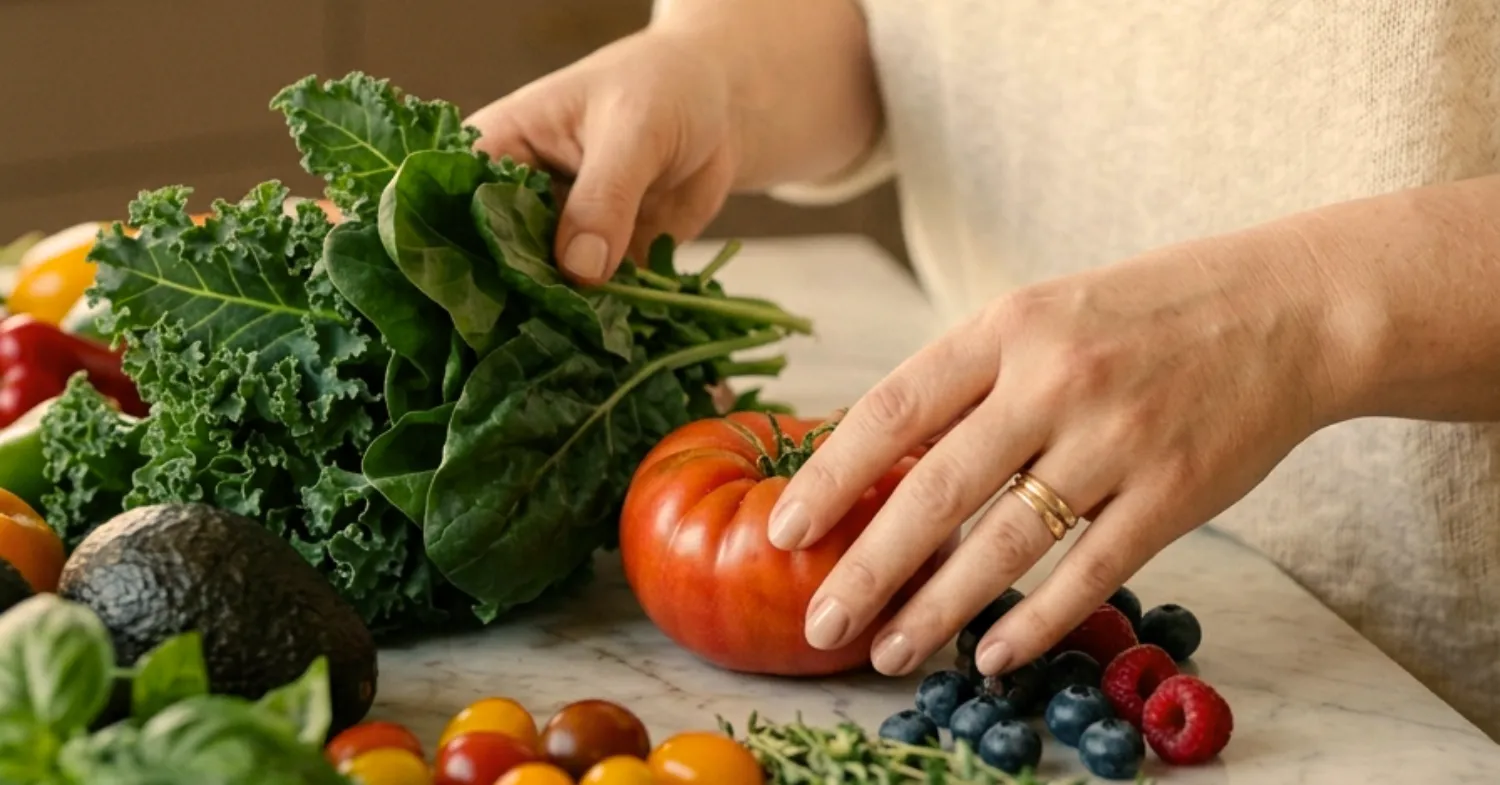
GLP-1 nutrition is changing the way millions of people think about food, cooking, and long-term wellness. If you are on a GLP-1 journey — or considering one — building the right kitchen skills is one of the most powerful steps you can take to support your goals. The good news? You do not need to be a professional chef. A handful of practical, repeatable cooking techniques can make healthy eating feel effortless, sustainable, and even enjoyable.
If you are just getting started, it helps to first understand how GLP-1 medications work and what to expect before diving into the nutritional side. In this guide, you will discover exactly which kitchen skills matter most, how they support your GLP-1 nutrition goals, and how to build lasting kitchen confidence.
Why GLP-1 Nutrition Requires a New Approach to Cooking
People using GLP-1 receptor agonists often experience reduced appetite, meaning every meal counts more than ever. When you eat less, the nutritional quality of what you do eat becomes critical. This is not about restricting food — it is about making every bite work harder for your body.
A landmark study published in PLOS ONE found that dietary quality and adequate protein intake play a significant role in preserving lean muscle mass during periods of reduced caloric intake, making nutrient-dense cooking an essential part of any GLP-1 nutrition plan.
This is exactly why GLP-1 nutrition benefits so much from intentional cooking. When you know how to prepare nutrient-dense meals quickly and confidently, sticking to a high-quality eating pattern becomes second nature. You can also explore our GLP-1 weight management program at MD Meds to see how medical support and smart nutrition work together.
The Most Important Kitchen Skills for GLP-1 Success
1. Mastering Protein-First Cooking
On a GLP-1 eating plan, protein is your best friend. Prioritizing protein at every meal helps preserve muscle, supports satiety, and keeps energy levels stable. Learning how to perfectly cook lean proteins — chicken breast, turkey, fish, eggs, legumes, and Greek yogurt-based dishes — is the single most impactful kitchen skill you can develop.
Research published on PubMed confirms that higher protein diets significantly improve body composition and support muscle retention during weight loss — a key concern in GLP-1 nutrition. Aim to build at least one high-protein anchor into every meal. Try sheet-pan baked salmon, stovetop turkey patties, or a simple egg and vegetable scramble. These are fast, satisfying, and perfectly aligned with GLP-1 nutrition goals.
2. Knife Skills for Fast, Fresh Vegetable Prep
One of the biggest barriers to healthy eating is time. Learning basic knife skills — how to julienne, dice, and chiffonade — makes vegetable prep dramatically faster. When fresh vegetables are easy to prepare, you are far more likely to include them in every meal.
Vegetables provide fiber, which supports digestive health, and a wide range of micronutrients that are especially important when overall food volume is lower. This is a cornerstone of smart GLP-1 nutrition.
3. Batch Cooking and Meal Prepping
Batch cooking is a game-changer for anyone focused on GLP-1 nutrition. Spending a few hours on the weekend cooking large quantities of grains, roasted vegetables, and proteins means you always have something healthy ready to assemble.
Try prepping a base of quinoa, roasted broccoli and sweet potato, and a batch of baked chicken thighs. Throughout the week, mix and match these components for quick, nutrient-dense bowls in under five minutes. For more structured guidance, check out MD Meds’ approach to sustainable weight management to complement your meal prep habits.
4. Sauce and Seasoning Mastery
Reduced appetite means smaller portions — and smaller portions need to be flavorful to feel satisfying. Learning to build vibrant sauces and seasoning blends without relying on excessive sodium or sugar elevates simple ingredients into crave-worthy meals.
Explore tahini-lemon dressings, miso-ginger glazes, chimichurri, and herb-forward dry rubs. These techniques add depth to meals while keeping them aligned with GLP-1 nutrition principles.
5. Mindful Plating and Portion Awareness
Presentation matters more than most people realize. Plating your food attractively — even for a quick weeknight dinner — encourages you to eat more slowly, appreciate your meal, and recognize when you are full. This aligns perfectly with the appetite changes that often accompany a GLP-1 journey.
Use smaller plates, fill half with colorful vegetables, and take time to arrange your food thoughtfully. These small habits reinforce the intuitive eating approach that supports long-term GLP-1 nutrition success.
H2: How to Build Protein-Rich Plates on a Smaller Appetite
When appetite decreases, it can be tempting to reach for easy but low-nutrient options. Instead, use these proven strategies to build protein-rich plates that satisfy even on the lightest appetite days:
Choose Greek yogurt as a base for dips, dressings, and smoothies. Add hemp seeds, edamame, or cottage cheese to salads and grain bowls. Keep hard-boiled eggs in the fridge as a grab-and-go GLP-1 nutrition staple. Blend protein into smoothies with unsweetened protein powder, nut butters, or silken tofu.
A comprehensive review on NCBI confirms that adults focused on weight management should aim for 1.2–2.0 grams of protein per kilogram of body weight to preserve muscle — a critical consideration in any GLP-1 nutrition plan. To learn more about how medical providers at MD Meds personalize nutrition targets, visit our patient resource center.
Meal Prep Strategies That Support GLP-1 Nutrition Goals
Effective meal prep removes decision fatigue — one of the biggest obstacles to consistent healthy eating. Here are proven strategies tailored to a GLP-1 nutrition lifestyle:
The Sunday Reset: Dedicate 2–3 hours each weekend to washing and chopping vegetables, cooking grains, portioning proteins, and assembling grab-and-go snacks. This one habit alone can transform your entire week.
Component Cooking: Rather than prepping full meals, prep individual components. This gives you flexibility to mix and match without eating the same thing every day.
Freezer-Friendly Meals: Soups, stews, and protein-rich casseroles freeze beautifully. Having a well-stocked freezer means you always have a GLP-1 nutrition-friendly option on hand, even on the busiest days.
Smart Snack Prep: Portion out snacks like almonds, string cheese, sliced bell peppers with hummus, or boiled eggs. Having these ready removes the temptation to reach for processed alternatives.
Smart Grocery Shopping for GLP-1 Eating Patterns
Kitchen confidence begins at the grocery store. A well-stocked kitchen makes GLP-1 nutrition easier by default.
Build your cart around these high-priority, nutrient-dense staples: lean proteins (chicken, turkey, fish, eggs, legumes), non-starchy vegetables (broccoli, spinach, zucchini, bell peppers, cauliflower), healthy fats (avocado, olive oil, nuts, seeds), complex carbohydrates (quinoa, oats, sweet potato, lentils), and flavor builders (fresh herbs, citrus, spices, miso paste, tahini).
Avoid over-purchasing highly processed “convenience” foods, even those marketed as diet-friendly. Whole foods that you prepare yourself give you full control over ingredients — a major advantage in a GLP-1 nutrition-focused lifestyle. If you are curious about how GLP-1 medications interact with your dietary choices, the clinical team at MD Meds is available to guide you.
Easy Cooking Techniques That Maximize Nutrient Density
Not all cooking methods are created equal when it comes to preserving nutrition. These techniques protect and enhance the nutrients in your food:
Steaming: Retains significantly more water-soluble vitamins than boiling. Ideal for vegetables like broccoli, spinach, and asparagus.
Roasting: Concentrates flavor through caramelization while requiring minimal oil. A go-to technique for a GLP-1 nutrition-friendly diet.
Sautéing in healthy fats: Cooking vegetables in a small amount of olive oil or avocado oil can actually increase the absorption of fat-soluble vitamins like A, D, E, and K.
Slow cooking: Perfect for batch cooking protein-rich stews and soups that are easy to eat, easy to digest, and deeply nourishing.
Raw preparation: Some vegetables — like bell peppers, cucumbers, and leafy greens — are best eaten raw to preserve heat-sensitive nutrients. A study on NCBI shows that dietary fiber from raw vegetables supports gut microbiome health and metabolic function, both of which are important in a GLP-1 nutrition plan. Mastering fresh salads and raw vegetable bowls is an underrated kitchen skill worth developing.
Common Kitchen Mistakes to Avoid on a GLP-1 Journey
Even well-intentioned cooks can fall into patterns that undermine GLP-1 nutrition goals. Watch out for these common pitfalls:
Skipping protein: When appetite is low, it is easy to default to carb-heavy snacks. Always prioritize protein first. Not prepping in advance: Without meal prep, hunger and fatigue can lead to poor food choices. Relying on ultra-processed “health foods”: Many packaged items labeled low-calorie or diet are low in protein, fiber, and micronutrients. Over-restricting calories: Less food does not automatically mean better nutrition. Quality must be the priority. Neglecting hydration: Proper hydration supports digestion and is especially important during a GLP-1 journey. For more tips on getting the most out of your program, explore MD Meds’ wellness blog for regularly updated guidance.
Frequently Asked Questions About GLP-1 Nutrition and Cooking
What foods are best for GLP-1 nutrition? Foods high in lean protein, fiber, and micronutrients are ideal. Think fish, eggs, legumes, leafy greens, cruciferous vegetables, and whole grains. These support satiety, muscle maintenance, and overall health.
How do I eat enough protein on a smaller appetite? Focus on protein-dense foods with every meal — even snacks. Greek yogurt, cottage cheese, eggs, and legumes are efficient ways to hit your protein goals without large portion sizes.
Is meal prep necessary for GLP-1 nutrition success? While not strictly required, meal prep dramatically increases the likelihood of consistently eating high-quality foods. Having healthy options ready removes barriers and supports better choices throughout the week.
Can cooking techniques really affect GLP-1 nutrition outcomes? Absolutely. Techniques like steaming, roasting, and sautéing in healthy fats preserve and even enhance the nutritional value of food. How you cook is just as important as what you cook.
How do I get started with a GLP-1 program? The easiest first step is to connect with a qualified medical provider. You can start your GLP-1 consultation at MD Meds and receive personalized guidance on both medication and nutrition from day one.
Build Your Kitchen Confidence and Support Your GLP-1 Nutrition Journey
GLP-1 nutrition is not a diet — it is a long-term lifestyle shift toward eating with intention, quality, and confidence. The kitchen skills outlined here are not complicated, but they are transformative. Start with one new technique this week. Prep one batch of proteins. Master one new sauce. Each small win builds the kitchen confidence that makes GLP-1 nutrition feel sustainable, satisfying, and genuinely enjoyable.
Your kitchen is one of your most powerful tools on this journey. Use it well — and let MD Meds support the medical side so you can focus on thriving.
Sign up for free Session!
It’s easy and free!
Check Your Eligibility
Eating well on a GLP-1 journey isn’t about willpower — it’s about having the right tools, skills, and support in place. When GLP-1 therapy works with your body to quiet food noise, building a nutrient-dense, protein-rich kitchen routine finally becomes sustainable. Take the first step toward smarter nutrition and lasting results with personalized GLP-1 treatment here.