
Most people beginning a wellness journey focus heavily on what to eat and what clinical support to pursue. Far fewer think deliberately about when and how food gets prepared — and yet that single factor may be one of the most powerful predictors of whether daily nutrition intentions translate into real, consistent outcomes. Meal prep is not about spending an entire …
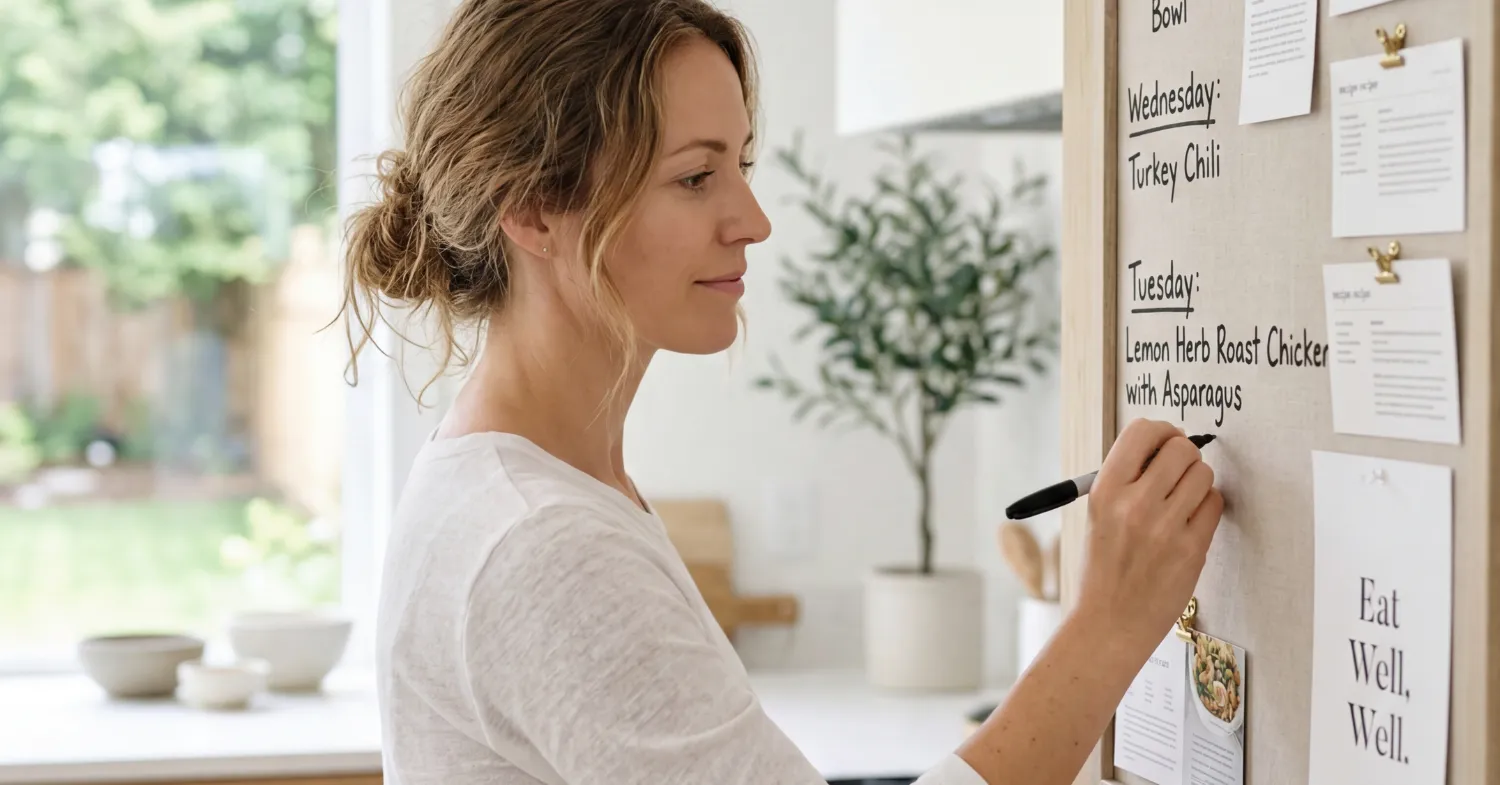
Most people beginning a wellness journey focus heavily on what to eat and what clinical support to pursue. Far fewer think deliberately about when and how food gets prepared — and yet that single factor may be one of the most powerful predictors of whether daily nutrition intentions translate into real, consistent outcomes.
Meal prep is not about spending an entire Sunday in the kitchen or following a rigid, joyless eating plan. It is about removing the daily friction that causes even well-intentioned people to reach for whatever is fastest when hunger arrives. For anyone on a GLP-1 program, building a simple, repeatable meal prep habit is one of the most practical steps available to protect and extend the results the therapy is already working to create.
This guide walks through the science, the strategies, and the direct connection between how you prepare your food and how well your wellness journey unfolds.
Why Meal Prep Is One of the Highest-Leverage Habits on a GLP-1 Program
GLP-1 therapy significantly reduces appetite and quiets the mental noise around food that makes consistent, nourishing choices so difficult. But reduced appetite alone does not guarantee that what gets eaten is what the body actually needs to thrive. Without a plan, even the best dietary intentions tend to collapse in the face of a busy schedule, an empty refrigerator, or a moment of low energy at the end of the day.
Meal prep changes this equation entirely. When nutritious, portion-appropriate food is already prepared and waiting, the decision of what to eat is effectively made in advance — during a calm, intentional moment rather than a rushed, hungry one. The path of least resistance leads to a nourishing meal rather than away from it.
This is especially relevant during a GLP-1 program because the therapy creates a genuine window of opportunity for lasting behavioral change. Meal prep is one of the most effective ways to fill that window with habits that compound over time. For free guides on building the lifestyle foundation that makes clinical treatment most effective, the MD Meds Resources page covers every dimension of sustainable wellness.
The Science Behind Meal Planning and Better Health Outcomes
The research connecting meal planning to improved dietary quality and weight outcomes is extensive and consistent. People who plan their meals in advance consume more vegetables, more fiber, and more lean protein — and consume fewer ultra-processed foods — than those who make food decisions reactively throughout the day.
A large study published in the International Journal of Behavioral Nutrition and Physical Activity analyzed dietary data from over 40,000 adults and found that meal planning was independently associated with healthier overall diet quality, greater dietary variety, and significantly lower rates of overweight and obesity. These associations held even after controlling for income, age, and baseline health status.
The behavioral mechanism is straightforward. Planning reduces the cognitive load of food decisions — a resource that is finite and reliably depleted by the demands of daily life. Research published in the Journal of Consumer Psychology found that when decision fatigue sets in, people default to high-convenience, low-quality food choices at much higher rates. Meal prep removes those decisions from the equation entirely. The MD Meds blog explores the full range of behavioral habits that compound most effectively alongside clinical support.
How Skipping Meal Prep Quietly Undermines GLP-1 Progress
One of the most consistent patterns in weight management research is the gap between dietary intention and dietary behavior — the space between what people plan to eat and what they actually eat when the moment arrives. That gap is almost always largest when no practical preparation has been done.
For those on a GLP-1 program, this gap carries a specific cost. GLP-1 therapy reduces the volume of food a person eats, which means the nutritional quality of every meal becomes proportionally more important. Eating smaller amounts of low-quality, low-protein, low-fiber food is not the same as eating smaller amounts of nourishing food — and only one of those outcomes supports the metabolic and body composition goals that make GLP-1 treatment most effective.
Research published in the British Medical Journal found that higher consumption of ultra-processed foods — the most common default when no meal prep exists — was independently associated with increased cardiovascular risk, weight gain, and all-cause mortality, even when overall calorie intake was comparable. What fills the plate matters enormously. For a deeper look at how nutritional quality and clinical treatment intersect, the MD Meds wellness page explores the lifestyle factors that make GLP-1 results most durable.
How Consistent Meal Prep Amplifies GLP-1 Therapy
GLP-1 therapy creates the physiological conditions for lasting dietary change — reduced appetite, stabilized blood sugar, quieted food cravings — but what happens within those conditions is shaped by the habits and structures a person builds around them. Meal prep is one of the most direct ways to ensure those conditions are consistently met with the right nutrition.
When protein-forward, fiber-rich, whole-food meals are reliably available throughout the week, every meal reinforces the new relationship with food that GLP-1 treatment is helping to establish. Research published in Obesity Reviews found that structured dietary approaches including meal planning and preparation were associated with significantly greater adherence to dietary goals and superior weight management outcomes over follow-up periods of one year and beyond.
The compounding effect is meaningful. Each week of consistent meal prep builds the behavioral infrastructure — the automatic habits, the stocked refrigerator, the established routine — that makes the next week easier. A study examining self-efficacy in health behavior change found that individuals who built structured daily habits alongside their GLP-1 program achieved substantially greater and more sustained weight loss than those relying on medication alone. For personalized guidance on how lifestyle structure and clinical support work together, the MD Meds FAQ page covers the most common questions about optimizing GLP-1 treatment.
7 Beginner-Friendly Meal Prep Strategies to Start This Week
1. Start With One Prep Session, Not Seven Days of Meals
The most common reason beginners abandon meal prep is starting too ambitiously. Attempting to plan, shop, cook, and portion an entire week of meals in one session is overwhelming — and one difficult session is enough to make the whole habit feel unsustainable.
A far more effective starting point is one focused prep session that covers two to three days of a single meal type, typically lunch or dinner. This is manageable in sixty to ninety minutes, produces immediate, tangible results, and builds confidence without creating burnout.
As the habit becomes more familiar and the process more efficient, expanding to cover additional meals is natural and low-effort. For those beginning a GLP-1 program, starting with just lunch prep for the work week is enough to meaningfully improve daily nutrition without requiring a major time commitment up front. The MD Meds Resources page includes practical guides for building sustainable habits alongside clinical treatment.
2. Build Every Meal Around a Protein Anchor
Protein adequacy is the single most important nutritional priority during a GLP-1 program — both for preserving lean muscle mass during weight loss and for maximizing satiety at reduced food volumes. The simplest way to structure meal prep is to choose one or two protein sources for the week and build everything else around them.
Batch-cooked chicken breast, hard-boiled eggs, canned or poached fish, ground turkey, or legumes can all be prepared in large quantities, stored efficiently, and combined with different vegetables and grains throughout the week to create variety without additional cooking time.
Research in the American Journal of Clinical Nutrition consistently supports higher protein intake as protective of lean body mass during caloric restriction. Planning protein first and building meals outward from that anchor ensures every prepped meal is working in direct support of GLP-1 treatment goals.
3. Prep Components, Not Just Complete Meals
One of the most flexible and beginner-friendly approaches to meal prep is preparing individual components — cooked grains, roasted vegetables, portioned proteins, washed salad greens — rather than assembling complete meals in advance.
This approach offers significantly more day-to-day variety, reduces the monotony that causes meal prep fatigue, and takes less total time per session because components can all cook simultaneously. A batch of quinoa, a sheet pan of roasted vegetables, and a tray of baked chicken can be in the oven at the same time and assembled into different combinations throughout the week.
For those on a GLP-1 weight loss program whose appetite and food preferences may shift during treatment, component-style prep also allows greater flexibility to adjust what and how much is eaten at each meal without wasting prepped food.
4. Use a Grocery List Built From Your Prep Plan, Not the Other Way Around
Most people write a grocery list based on what they generally like or what feels manageable to buy — and then try to figure out what to cook from those ingredients. This approach reliably produces gaps, wasted food, and unplanned convenience meals when the right ingredients for a healthy meal aren’t available at the same time.
Reversing this sequence — deciding what meals or components to prep first, then writing the grocery list from that plan — is one of the simplest and most impactful shifts a beginner can make. It ensures that every ingredient purchased has a clear purpose, reduces food waste, and eliminates the mid-week problem of an empty refrigerator.
Research published in Public Health Nutrition found that people who planned meals before grocery shopping consumed significantly higher-quality diets at comparable or lower cost. For anyone on a GLP-1 program, a plan-first grocery approach makes the weekly shop faster, cheaper, and more aligned with treatment goals.
5. Invest in the Right Storage — and Keep It Visible
Prepped food that is not easily visible and accessible does not get eaten reliably. Containers buried at the back of the refrigerator, loosely covered bowls that make food look unappetizing, or poorly portioned storage that makes grabbing a meal inconvenient all undermine the consistency that meal prep is designed to create.
Glass meal prep containers in uniform sizes, stored at eye level in the refrigerator, make prepped food the most visible and most convenient option every time the door opens. This directly applies the behavioral science principle that what is most visible is most frequently chosen — a finding documented extensively in food environment research.
For those also exploring NAD+ therapy or Sermorelin alongside their GLP-1 program, consistent access to quality nutrition directly supports the energy and recovery benefits those therapies are designed to enhance.
6. Keep a Simple, Repeatable Weekly Template
Decision fatigue is one of the primary mechanisms through which healthy eating habits break down over time. Deciding what to prep, what to buy, and what to cook from scratch every single week is a cognitive burden that accumulates and eventually leads to abandoning the habit entirely.
A weekly meal prep template — a loose, repeatable structure that specifies roughly what type of protein, vegetable, and grain to prepare each week without dictating specific recipes — dramatically reduces this burden. The template changes slightly from week to week based on seasonal produce, budget, or preference, but the structure stays consistent.
This approach mirrors the habit-formation principle identified in behavioral research published in the European Journal of Social Psychology: repetition within a stable context is the mechanism through which behaviors become automatic. A weekly prep template builds exactly that stability, making meal prep progressively faster and lower-effort with every passing week.
7. Prep for Your Hardest Moments, Not Just Your Average Ones
Most meal prep plans are built around ideal days — moderate workload, normal schedule, average energy. They rarely account for the moments when healthy eating is hardest: late work nights, high-stress afternoons, weekends with unpredictable schedules, or evenings when cooking feels genuinely impossible.
Prepping specifically for those moments — having high-protein snacks portioned and ready, a quick-assemble dinner waiting in the refrigerator, or a pre-made smoothie base in the freezer — is what separates meal prep that holds up under real life from meal prep that collapses the first time the week doesn’t go according to plan.
For those on a GLP-1 program, planning for hard moments is especially important because the most common points of dietary deviation — late evenings, stressful days, unplanned social situations — are also the moments when the physiological benefits of the therapy are least able to compensate for a complete absence of prepared food. The MD Meds blog covers the practical strategies that make healthy habits resilient under real-world conditions.
How to Build a Weekly Meal Prep Routine That Actually Sticks
The most effective meal prep routine is the simplest one that covers the highest-friction moments of the week. Rather than designing an elaborate system from the start, the approach supported by behavioral research is to identify the two or three moments each week when healthy eating is most likely to fail — and prep specifically for those.
Anchor prep to a consistent day and time. Meal prep done at the same time each week becomes automatic faster than prep done whenever time allows. Sunday afternoon and Wednesday evening are the most common anchor points, covering the beginning and midpoint of the week. Attaching prep to an existing routine — after a weekly grocery trip, after a regular exercise session — reduces the mental effort required to initiate it.
Keep the session short enough to be non-negotiable. A ninety-minute prep session that happens every week produces far better outcomes than a four-hour session that happens once a month. When prep feels manageable, it happens. When it feels like a major project, it gets postponed. For those on a GLP-1 weight loss program, consistency over perfection is the operating principle — a partial prep week is always better than no prep week.
Let your clinical program inform your prep priorities. The physician-led approach at MD Meds is built on the understanding that sustainable wellness is biological and behavioral simultaneously. The GLP-1 programs at MD Meds are designed to support the whole person — meaning that the clinical experience is an opportunity to build the practical daily habits that make results last. For personalized guidance on how nutrition and clinical treatment work together in your specific situation, the MD Meds About Us page describes the full scope of individualized care.
Common Mistakes That Make Meal Prep Harder Than It Needs to Be
Prepping foods you don’t genuinely enjoy eating is the fastest way to abandon the habit. Meal prep built around nutritionally optimal foods that feel like a punishment will not sustain for more than a week or two. The most effective prep plan includes foods that are both nourishing and genuinely satisfying — the two goals are not in conflict, and finding the overlap between them is worth the early experimentation.
Prepping everything at once without a plan for using it creates food waste, decision paralysis, and refrigerator overwhelm. A simple assembly map — this protein goes with that grain and these vegetables — makes prepped components immediately usable without additional thought at meal time.
Waiting until the routine is perfect before starting is a trap that ensures it never starts at all. Research on habit formation is clear that the early, imperfect repetitions of a behavior are the most important ones — because they establish the neural and behavioral pattern that later repetitions build on. Starting with one prep session, one protein, and one vegetable this week is more valuable than planning an elaborate system that begins next month. For the full evidence base on lifestyle habits that compound with clinical support, the MD Meds Resources page offers practical tools for every stage of the journey.
Frequently Asked Questions About Meal Prep and GLP-1 Programs
How much time does meal prep actually take for a beginner? A focused beginner session covering two to three days of one meal type typically takes sixty to ninety minutes, including cleanup. This time decreases substantially as the process becomes familiar. Research on perceived cooking time barriers consistently finds that the anticipated time cost of food preparation is significantly larger than the actual time required — particularly once a simple routine is established.
What should I prioritize prepping on a GLP-1 program? Protein first, always. GLP-1 therapy reduces overall food volume, which makes protein adequacy the most critical nutritional variable to plan for. Batch-cooked lean protein, followed by prepped vegetables and a cooked whole grain, covers the nutritional priorities of most GLP-1 programs with a single prep session. The MD Meds FAQ page covers specific dietary guidance for each phase of GLP-1 treatment.
Can meal prep help with side effects during early GLP-1 treatment? Yes. During the early phase of GLP-1 therapy, nausea, reduced appetite, and sensitivity to certain foods are common. Having prepped options available that are soft, easy to digest, and varied — soups, smoothie components, simply cooked proteins — means that even on difficult days, accessible, nourishing food is available without requiring effort to prepare.
How do I avoid getting bored with prepped meals? Component-style prep — preparing proteins, vegetables, and grains separately rather than as complete meals — provides far more daily variety than portioned identical lunches. Different combinations of the same prepped components can feel like entirely different meals throughout the week. Rotating the protein source and vegetable each week also prevents monotony from accumulating over time.
Where can I learn more about building a complete lifestyle alongside GLP-1 therapy? The MD Meds GLP-1 page is the best starting point for understanding how personalized GLP-1 therapy works and what lifestyle habits amplify results. The Resources page offers free downloadable guides, and the About Us page explains the physician-led, personalized approach MD Meds brings to every patient’s wellness journey.
Final Thoughts: A Little Preparation Goes a Long Way
The most effective wellness strategy is rarely the most complicated one. Meal prep — at its core — is simply the act of making a nourishing choice before hunger, fatigue, or a busy schedule have the opportunity to override it. It requires no special skill, no elaborate equipment, and no major time investment to start producing meaningful results.
For anyone on a personalized GLP-1 program, the therapy is already doing significant work — reducing appetite, stabilizing blood sugar, and creating the physiological conditions in which lasting dietary change becomes genuinely achievable. Meal prep is the practical daily habit that ensures those conditions are consistently met with the nutrition the body needs to make the most of them.
Start with one session. Prep one protein. Fill a few containers. That is enough to begin building the habit that, over weeks and months, transforms healthy eating from an effortful intention into an effortless default.
Ready to pair smart daily habits with physician-led clinical support that works at every level? Explore MD Meds and take the next step toward a wellness journey built to last.
This post is for informational and lifestyle purposes only and is not intended as medical advice. Always consult your healthcare provider before making changes to your treatment plan or dietary approach.
Sign up for free Session!
It’s easy and free!
Check Your Eligibility
A little preparation at the start of each week removes the daily decisions that most often derail healthy eating — and on a GLP-1 program, that consistency is exactly what turns clinical results into permanent change. Meal prep does not need to be complicated or time-consuming to make a real difference. It just needs to happen. Explore our personalized GLP-1 protocols here.